Things to Do in Ngorongoro Crater, Tanzania 2026–2027 | Top Attractions & Activities
Ngorongoro, Tanzania is one of the most captivating destinations in Tanzania, combining extraordinary wildlife, scenic landscapes, and deep cultural history. Known for its world-famous crater, prehistoric sites, and traditional Maasai heritage, this UNESCO World Heritage Site offers endless opportunities for exploration. Whether you’re planning a safari, a hike, or a cultural experience, Ngorongoro has something special for every traveler. Here’s your complete guide to the best attractions and activities in Ngorongoro for 2026–2027.
Ngorongoro is one of Tanzania’s most breathtaking destinations, offering a rare combination of wildlife, scenery, and cultural heritage. The Ngorongoro Crater—often called “Africa’s Eden”—is the centerpiece, where Visitors witness the Big Five in a single day. Nearby, the Olduvai Gorge reveals the fascinating story of early human evolution, while lush highlands and Maasai villages add a vibrant cultural layer. Whether you’re exploring the crater rim or admiring panoramic views of the Great Rift Valley, Ngorongoro’s attractions make it a must-visit in 2026–2027.
Visit Ngorongoro Crater
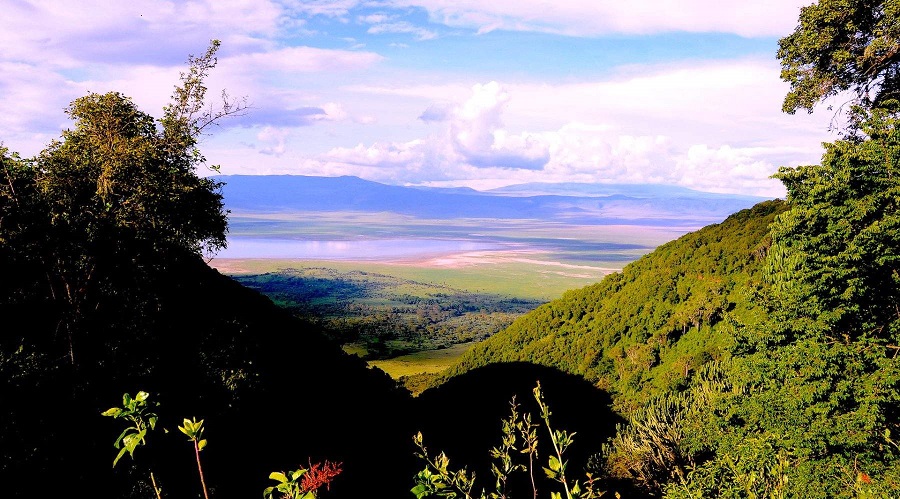
The Ngorongoro Crater, the largest intact volcanic caldera in the world, is a wildlife haven like no other. Home to the Big Five—lion, elephant, buffalo, rhino, and leopard—it offers one of Africa’s most rewarding safari experiences. The crater floor features lakes, forests, and open plains, creating ideal habitats for diverse species. Visitors enjoy full-day game drives while soaking in panoramic views from the crater rim. In 2026–2027, eco-safaris and sustainable lodges continue to redefine luxury travel in Ngorongoro.
Visit Empakaai Crater
Empakaai Crater is renowned for its serene beauty and turquoise soda lake that attracts thousands of flamingos. The steep descent through lush forest reveals an untouched ecosystem teeming with birds and wildlife. Trekking to the crater floor provides not only scenic vistas but also peaceful moments surrounded by nature’s silence. With the growing focus on low-impact tourism in 2026–2027, Empakaai remains a hidden sanctuary for hikers and photographers alike.

Visit Olmoti Crater
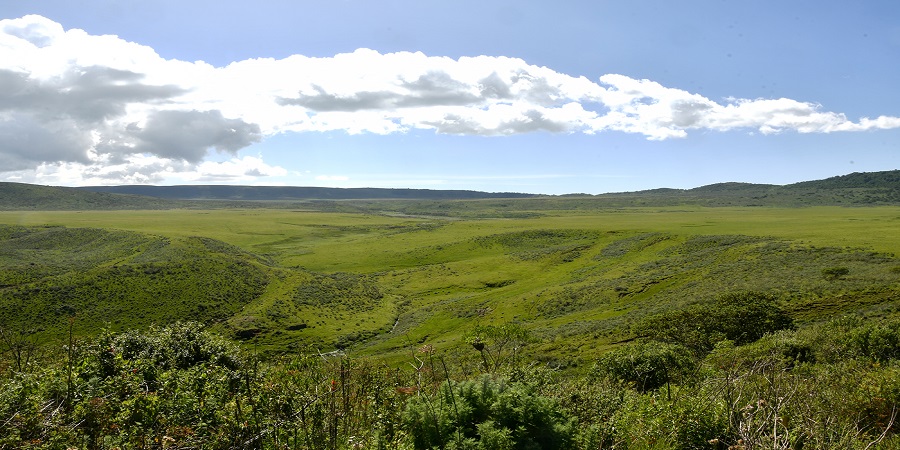
Olmoti Crater offers a quieter, more intimate experience with stunning views and the enchanting Munge Waterfall. Guided walks by Maasai rangers allow visitors to explore the area’s ecology and learn about the Maasai’s deep connection to the land. The crater’s grassy slopes attract wildlife like buffaloes and bushbucks, making it perfect for nature walks. In 2026–2027 is best thing to do in Ngorongoro, Olmoti is expected to feature enhanced trekking trails promoting responsible tourism.
Visiting The Northern Highland Forest Reserve
Stretching across the Ngorongoro highlands, this pristine forest reserve is a paradise for hikers and birdwatchers. The area shelters rare plant species, monkeys, and colorful birdlife within its misty canopies. Treks through the forest provide refreshing contrast to the open plains, offering a glimpse into Tanzania’s montane ecosystems. Conservation efforts in 2026–2027 continue to protect this vital habitat while opening new eco-friendly routes for visitors.
Visiting Endoro Waterfalls and Elephant Caves
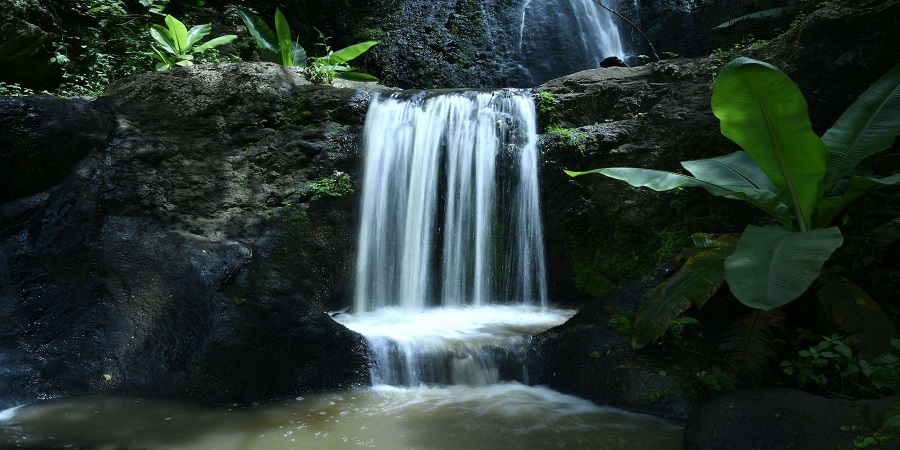
The Endoro Waterfalls and Elephant Caves near Karatu offer a rewarding blend of adventure and history. The forest trail leads to majestic waterfalls and ancient caves where elephants once extracted minerals. This scenic hike also provides excellent birdwatching and a chance to experience the area’s lush vegetation. In 2026–2027, community-run tours here emphasize environmental awareness and cultural storytelling.
Visit Olduvai Gorge
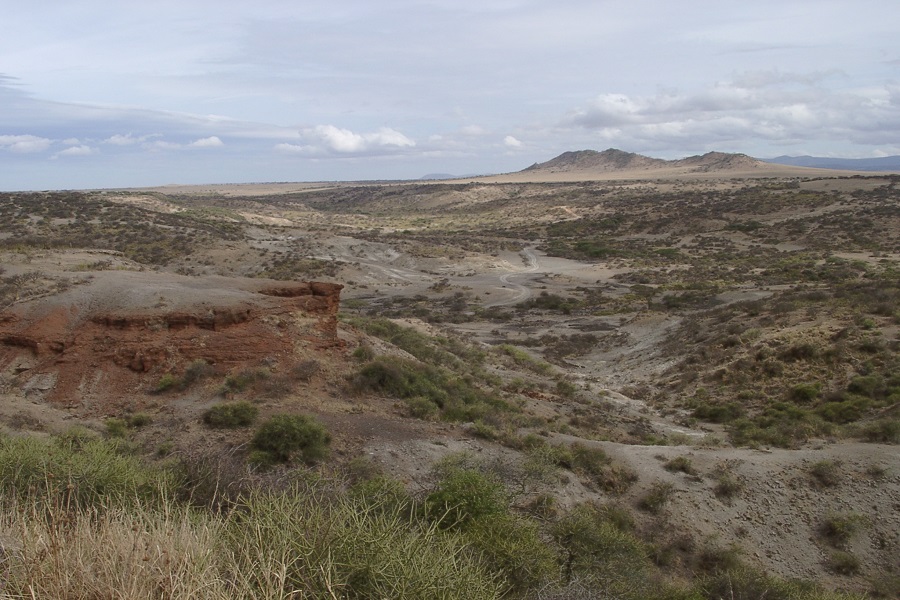
Olduvai Gorge, often called the “Cradle of Mankind,” is one of the world’s most important archaeological sites. It’s where Dr. Louis and Mary Leakey discovered fossils that transformed our understanding of human evolution. Visitors explore excavation sites, view ancient tools, and learn about early human life from expert guides. In 2026–2027, Olduvai remains a must-visit destination for history enthusiasts and educational travelers.
Visit The New Olduvai Gorge Museum
The New Olduvai Gorge Museum enhances visitors’ understanding of human origins with interactive exhibits, fossils, and multimedia presentations. The modern facility complements field visits, offering insights into early human discoveries and scientific progress. It’s an essential stop for anyone touring Ngorongoro’s archaeological circuit. In 2026–2027, the museum’s digital upgrades and guided educational programs make it even more engaging.

Visit Dr. Mary Leakey Living Museum
This museum celebrates the pioneering work of Dr. Mary Leakey, whose research redefined our knowledge of prehistory. Exhibits include her excavation tools, personal memorabilia, and replicas of key fossil finds. Visitors gain a sense of how her discoveries shaped our understanding of evolution. As heritage tourism expands in 2026–2027, the museum continues to inspire scientists and travelers alike.
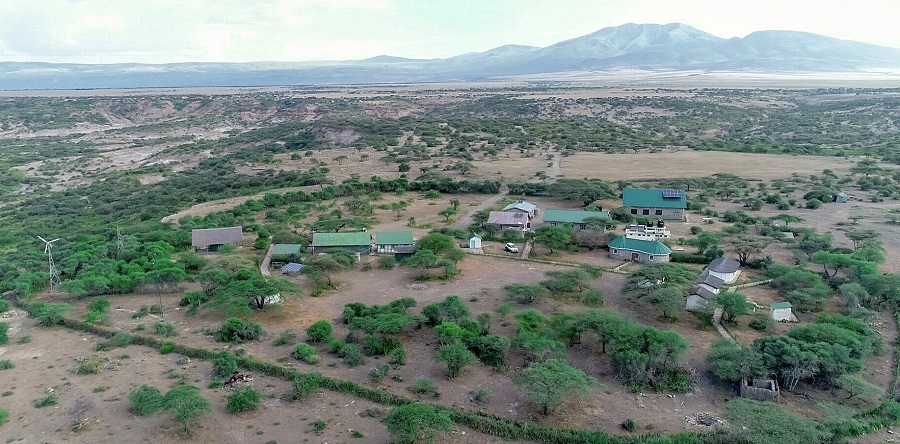
Visit Laetoli Footprints
The Laetoli Footprints, dating back 3.6 million years, represent one of the oldest traces of early human life. Preserved in volcanic ash, these footprints give visitors a powerful sense of connection to humanity’s beginnings. A guided visit reveals how these ancient impressions were formed and preserved over millennia. With scientific conservation ongoing in 2026–2027, Laetoli remains a landmark of Tanzania’s prehistoric heritage.
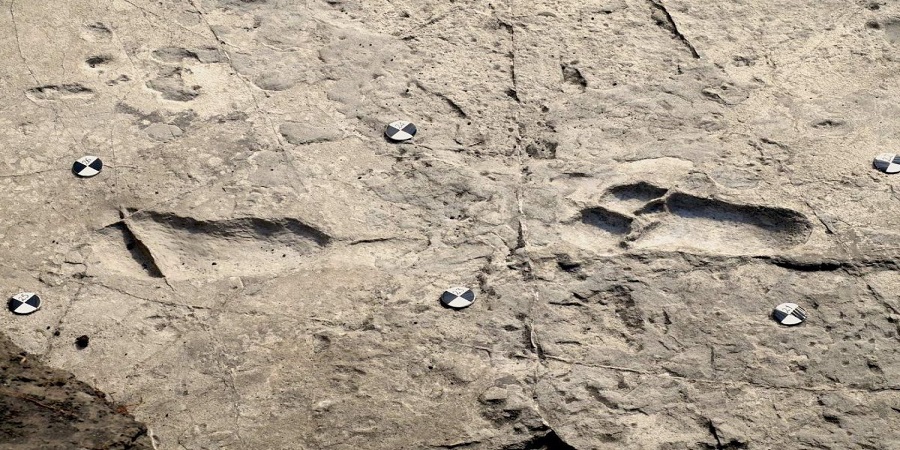
Visit Shifting Sand
A unique natural wonder, the Shifting Sand dunes are composed of magnetic volcanic ash that moves slowly across the plains with the wind. Their perfect crescent shape and rhythmic migration create a surreal, ever-changing landscape. Travelers can observe the phenomenon up close and learn about the geological forces behind it. In 2026–2027, Shifting Sand continues to attract nature lovers seeking unusual and mesmerizing sights.

Visit Lolmalasin Mountain
Standing tall at over 3,700 meters, Lolmalasin Mountain offers panoramic hiking experiences in the Ngorongoro Highlands. The trails traverse grassy plains, forested valleys, and Maasai villages, blending natural beauty with cultural immersion. Reaching the summit rewards hikers with sweeping views stretching toward the Serengeti. In 2026–2027, guided expeditions emphasize eco-friendly trekking and community-based tourism.
Visit Olkarien Gorge
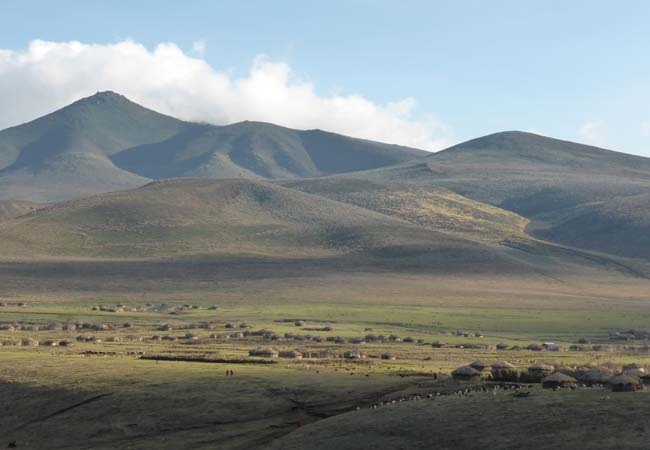
Olkarien Gorge is famous for its dramatic cliffs and as a nesting site for Rüppell’s vultures. The gorge is also an important cultural site for the Maasai, used for traditional gatherings. Hiking through its narrow canyons provides incredible views and opportunities for wildlife photography. In 2026–2027, Olkarien is expected to see new conservation-focused tour packages highlighting its ecological significance.
Visit Nasera Rock
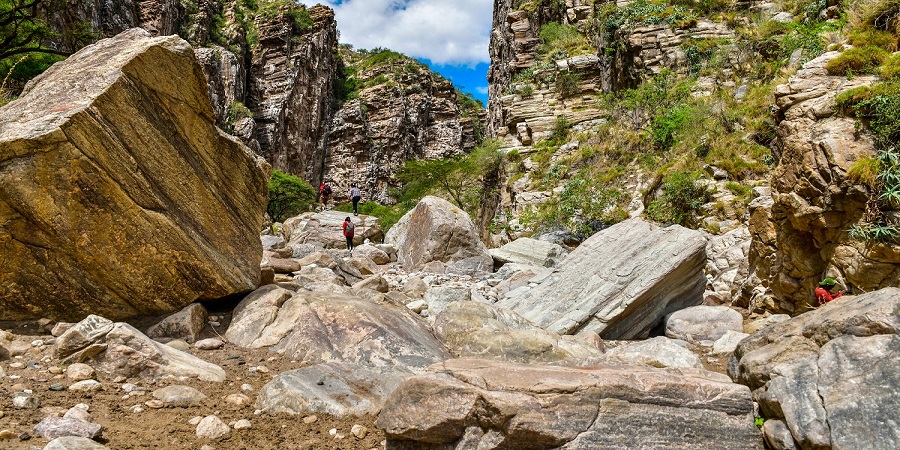
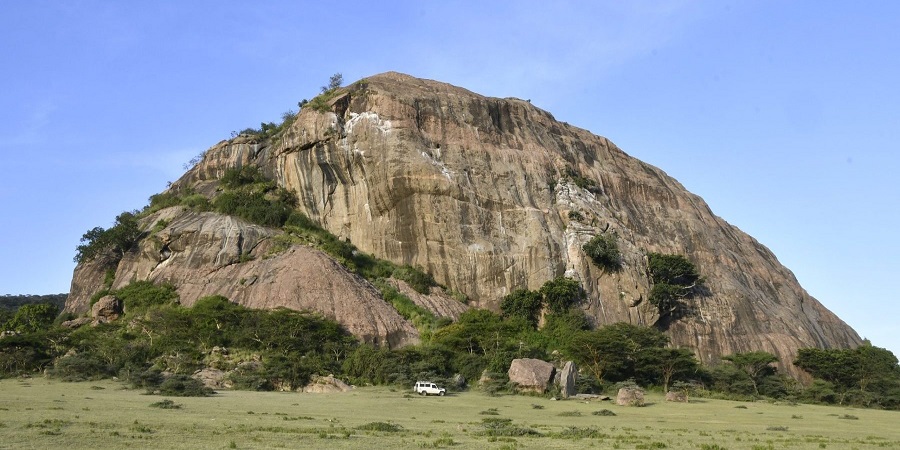
Nasera Rock is a towering granite monolith that combines archaeology, history, and breathtaking scenery. Excavations revealed ancient tools, showing that early humans once lived here. Today, it serves as both a sacred Maasai landmark and a thrilling climb for adventure seekers. From the top, panoramic views of the savanna stretch endlessly. In 2026–2027, improved trails make this hidden gem more accessible to explorers.
Visit Ndutu Plains
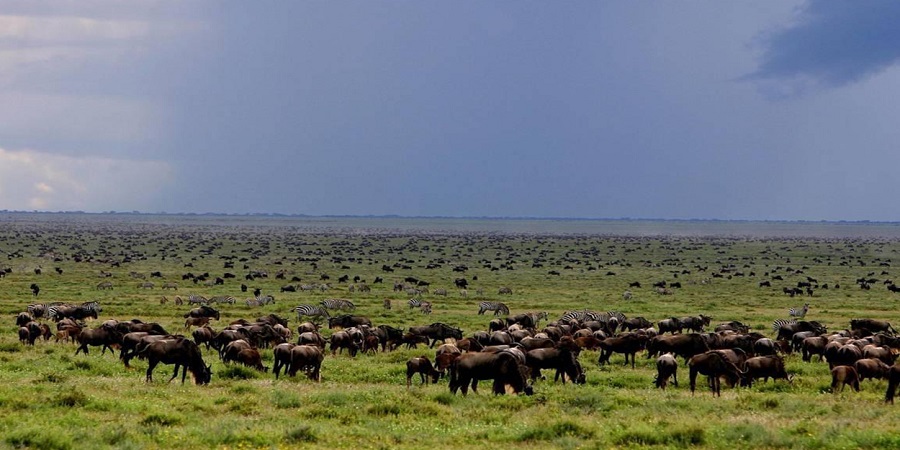
The Ndutu Plains are among the most iconic safari destinations in Tanzania, especially during the calving season from December to March. Here, thousands of wildebeest, zebras, and gazelles give birth, attracting predators and creating dramatic wildlife encounters. The open plains offer ideal conditions for photographers and filmmakers. Visiting Ndutu in 2026–2027 promises unforgettable safari moments in one of Africa’s greatest natural theaters.
Visit Gol Mountain and Sale Plains
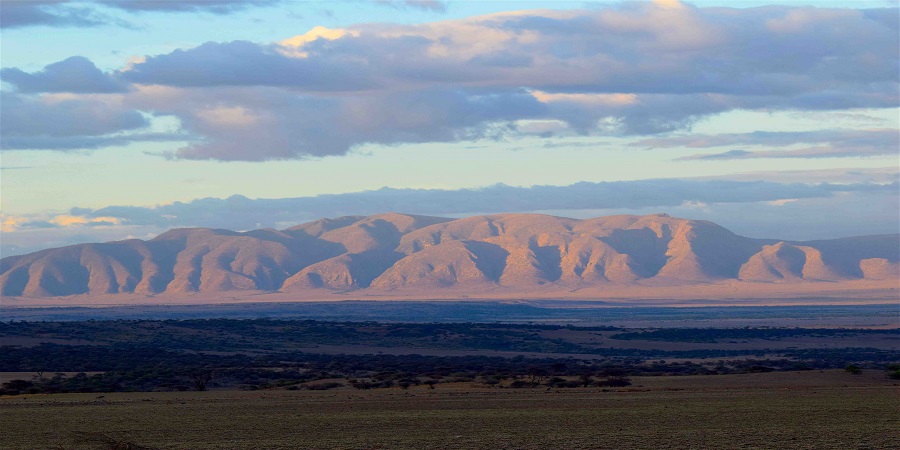
Gol Mountain and the Sale Plains remain pristine wilderness areas untouched by mass tourism. The rugged terrain, Maasai villages, and rare wildlife make them perfect for off-the-beaten-path exploration. Visitors enjoy guided cultural tours, birdwatching, and scenic drives through vast landscapes. In 2026–2027, these regions are emerging as top picks for travelers seeking authentic and remote experiences.
 Best Activities to Experience in Ngorongoro
From thrilling game drives across the Ngorongoro Crater floor to guided walking safaris through its forests, Ngorongoro offers unforgettable experiences for every traveler. Nature enthusiasts can enjoy birdwatching, while culture seekers can visit traditional Maasai communities to learn about their daily life and traditions. Adventure lovers might choose hiking trails around Empakaai and Olmoti craters, both offering stunning volcanic scenery. No matter the season, Ngorongoro’s activities combine adventure, discovery, and authentic African charm—perfect for your 2026–2027 itinerary.
Game Drives and Safaris
A safari in Ngorongoro is a once-in-a-lifetime experience. Game drives through the crater and surrounding plains offer sightings of elephants, lions, rhinos, and flamingos. Professional guides enhance the adventure with insights into animal behavior and conservation. In 2026–2027, sustainable safari packages focus on reducing environmental impact while maintaining thrilling wildlife encounters. Morning and evening drives remain the most rewarding times for photography and exploration.
Guided Nature Walks
Guided walking safaris allow travelers to experience Ngorongoro’s landscapes up close. Led by armed rangers and local guides, these walks cover forest trails, crater rims, and valleys teeming with wildlife. They offer a unique perspective on animal tracks, plants, and ecosystems. In 2026–2027, walking safaris are becoming increasingly popular for eco-conscious travelers seeking a deeper, slower connection with nature.
Cultural Tours with the Maasai
The Maasai people are the heart of Ngorongoro’s cultural heritage. Visitors tour traditional Maasai villages, participate in local dances, and learn about their customs and pastoral lifestyle. These cultural exchanges provide insight into centuries-old traditions that coexist with wildlife conservation. In 2026–2027, community-based tourism initiatives continue to empower Maasai communities and enrich travelers’ experiences.
Hiking and Trekking Expeditions
Ngorongoro’s highlands offer incredible hiking routes through volcanic craters, forests, and mountain ridges. Popular treks include the Olmoti Crater, Empakaai Crater, and Lolmalasin Mountain routes. Each trail offers different challenges and spectacular scenery. In 2026–2027, trekking remains a top activity for adventurers seeking physical challenge, natural beauty, and cultural encounters in one journey.
Visit Ngorongoro for Birdwatching
Ngorongoro is a paradise for birdwatchers, with over 500 recorded species. From flamingos and crowned cranes to eagles and turacos, the diversity is astounding. Birding tours around the crater lakes and forest reserves provide opportunities for both amateur and professional birders. In 2026–2027, new birding trails and eco-lodges cater to travelers looking to combine comfort with conservation.
Photography Tours
With its breathtaking vistas, abundant wildlife, and rich cultural scenes, Ngorongoro is a dream destination for photographers. Specialized photo safaris allow ample time to capture stunning sunrise and sunset shots across the crater and plains. Professional guides help position photographers for the best angles and lighting. In 2026–2027, photography-focused tours continue to grow, offering exclusive access to prime locations and expert mentorship.
Camping and Bush Experiences
For travelers seeking adventure under the stars, Ngorongoro offers incredible camping options inside and around the conservation area. Campsites range from basic bush setups to luxury tented lodges. Falling asleep to the sounds of wildlife creates an unforgettable safari memory. In 2026–2027, eco-camping packages emphasize sustainability and minimal environmental impact.
Hot Air Balloon Safaris
A hot air balloon safari over the Ndutu Plains or Ngorongoro highlands provides a once-in-a-lifetime perspective. Floating silently above the wilderness at dawn reveals herds of animals and breathtaking landscapes bathed in golden light. This serene experience is both thrilling and peaceful. In 2026–2027, balloon safaris remain one of the most luxurious and sought-after activities in northern Tanzania.
Other Must-See Attractions Near Ngorongoro
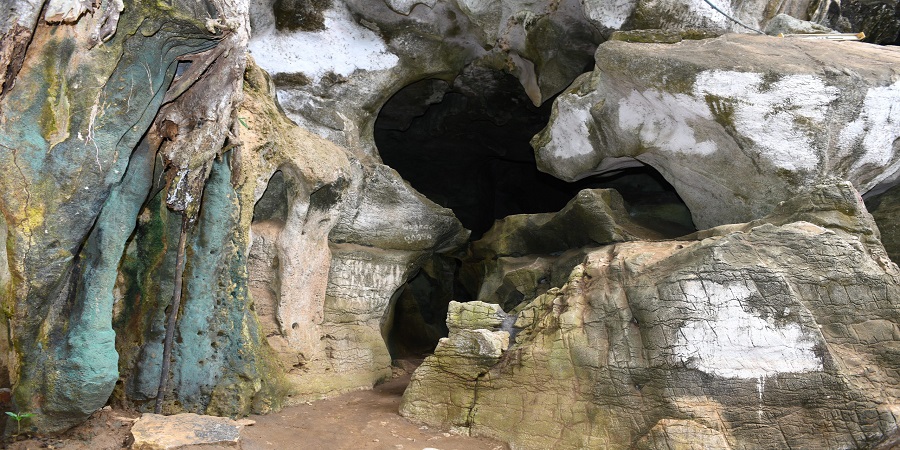
Amboni Caves
Located outside Ngorongoro, the Amboni Caves are Tanzania’s most extensive limestone cave system. They feature stunning stalactites and stalagmites, along with fascinating folklore shared by local guides. The caves are an exciting day trip for those extending their Ngorongoro itinerary in 2026–2027. Adventure travelers and history enthusiasts will appreciate exploring this subterranean marvel.
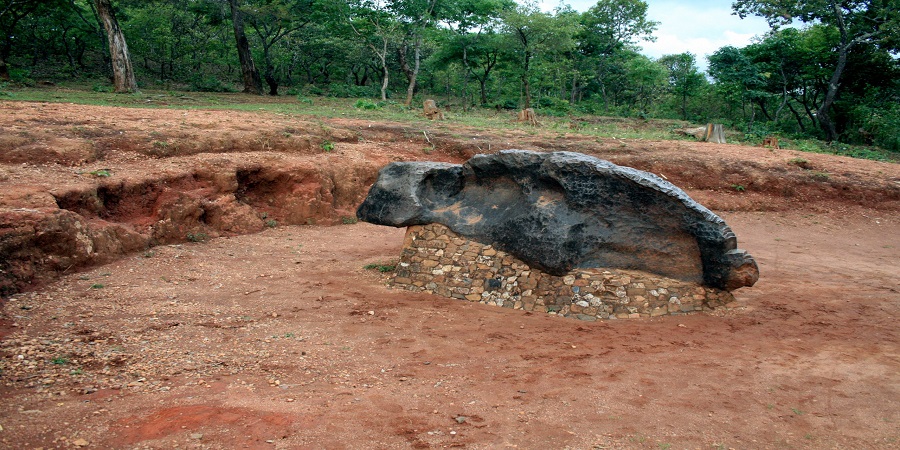
Mbozi Meteorite
The Mbozi Meteorite, one of the largest meteorites in the world, offers a glimpse into cosmic history. Weighing over 16 tons, this iron meteorite attracts geologists and tourists alike. Visiting the site provides an educational experience about Earth’s connection to the universe. In 2026–2027, it remains a must-see for those fascinated by natural history.
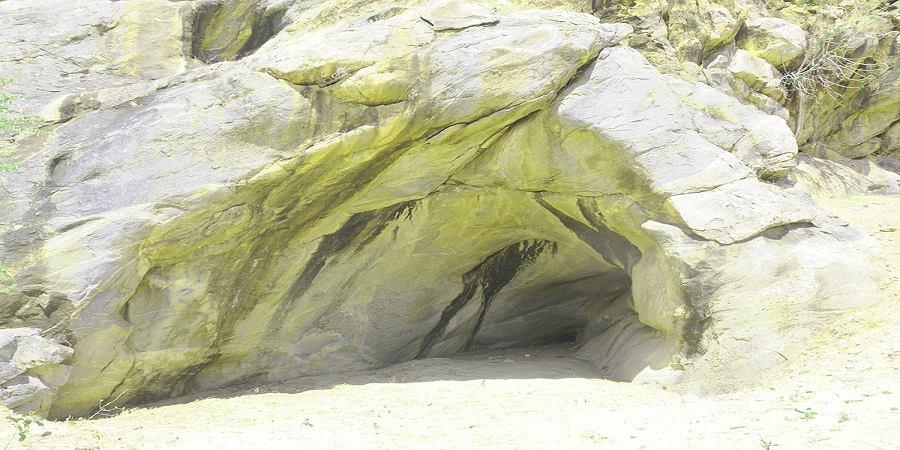
Mumba Rockshelter
The Mumba Rockshelter is an important archaeological site where artifacts dating back tens of thousands of years have been uncovered. Visitors explore the shelter and learn about early human life through guided tours. In 2026–2027, Mumba continues to be a valuable destination for those interested in Tanzania’s deep prehistoric past and cultural heritage.
Engaruka Ruins
The Engaruka Ruins showcase an ancient irrigation system once used by a vanished agricultural civilization. These stone ruins reveal the ingenuity of early settlers in managing water in a semi-arid environment. Today, Visitors explore the site and learn about its mysteries from local Maasai guides. Engaruka offers a fascinating glimpse into Tanzania’s lost history, making it a top pick for 2026–2027 cultural tours.

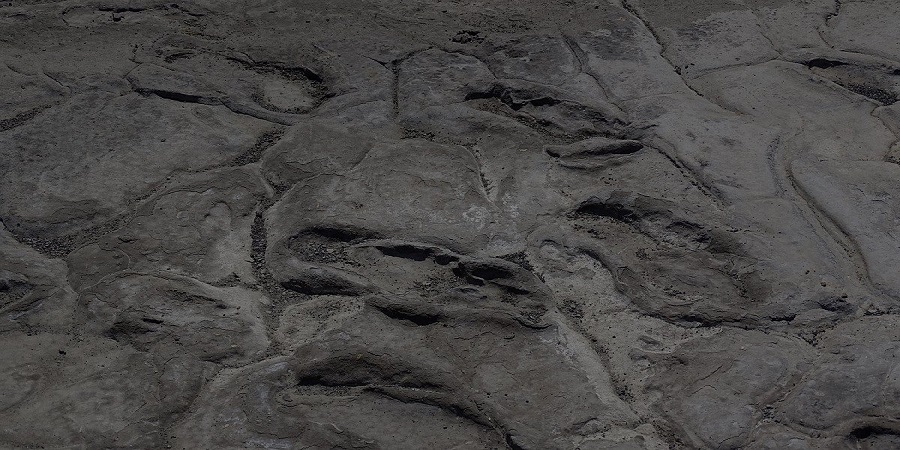
Engaresero Footprints Site
At the base of Ol Doinyo Lengai volcano, the Engaresero Footprints Site preserves hundreds of human footprints estimated to be over 10,000 years old. These footprints offer insight into the movement and life of ancient humans. Guided tours provide scientific and cultural interpretations of the site. In 2026–2027, Engaresero continues to attract global researchers and curious travelers alike.
 Cultures
Hadzabe
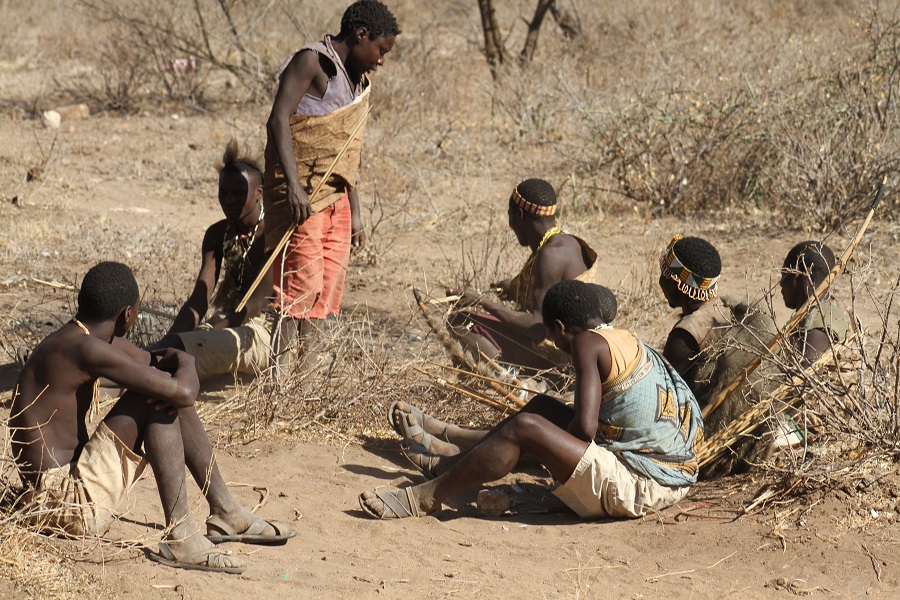
The Hadzabe people, one of the last hunter-gatherer tribes in East Africa, live near the Lake Eyasi region, close to Ngorongoro. Visiting them offers an extraordinary glimpse into a lifestyle that has remained unchanged for thousands of years. Travelers can join the Hadzabe on traditional hunting trips, learn how they use natural tools, and experience their deep knowledge of plants and wildlife. Their language, based on clicks, is unique and fascinating to hear. In 2026–2027, Hadzabe cultural tours emphasize respectful and sustainable interactions, allowing visitors to connect authentically without disrupting their way of life. It’s a once-in-a-lifetime cultural encounter.
Datoga
The Datoga tribe, skilled blacksmiths and cattle herders, live near the Hadzabe around Lake Eyasi. A visit to their homesteads introduces travelers to their craftsmanship, particularly their ability to forge jewelry and tools using traditional methods. The Datoga are known for their distinctive clothing made from animal hides and their intricate beadwork. Visitors watch artisans at work and even participate in metal forging demonstrations. In 2026–2027, Datoga cultural experiences continue to attract travelers seeking insight into Tanzania’s pastoral traditions. Their resilience and artistry reveal a deep connection between people, land, and heritage in the Ngorongoro region.
Maasai
The Maasai are the most recognized cultural group in the Ngorongoro Conservation Area, famous for their red attire, beadwork, and traditional dances. They live in harmony with nature, herding cattle across the highlands while maintaining their customs and spirituality. Visitors explore Maasai bomas, learn about their rituals, and understand their role in conservation. Cultural tours often include singing, storytelling, and demonstrations of traditional medicine. In 2026–2027, the Maasai continue to play a vital role in sustainable tourism, sharing their culture while benefiting from responsible travel programs. Their legacy adds unmatched cultural richness to Ngorongoro.
Archaeological Features
Olduvai Gorge
The Olduvai Gorge stands as one of the world’s most important paleoanthropological sites, located within the Ngorongoro Conservation Area. Discovered by Dr. Louis and Mary Leakey, it revealed fossilized remains of early humans dating back over 2 million years. Visitors explore excavation sites and visit the Olduvai Museum, which showcases tools, bones, and detailed exhibits on human evolution. In 2026–2027, the gorge remains a must-visit for anyone interested in the origins of mankind. Guided tours and educational talks provide fascinating insights into our prehistoric ancestors and their connection to this ancient landscape.
Laetoli Footprints
The Laetoli Footprints, located southwest of Ngorongoro, are among the earliest known evidence of bipedal human movement. Preserved in volcanic ash for over 3.6 million years, these ancient tracks were discovered by Mary Leakey in 1978. They offer remarkable proof of early human ancestors walking upright, a milestone in human evolution. Visitors learn about the discovery through interpretive exhibits and guided tours. In 2026–2027, Laetoli continues to attract researchers and travelers eager to see this extraordinary window into human history. It’s a fascinating stop for archaeology and anthropology enthusiasts alike.
Engaruka Ruins
The Engaruka Ruins, located north of Ngorongoro, are remnants of an ancient settlement with a sophisticated irrigation and agricultural system. Believed to date back several centuries, these stone ruins reveal how early communities thrived in a semi-arid environment. Visitors explore stone walls, canals, and terraces while learning about the mystery of the people who once lived here. Local Maasai guides share legends passed down through generations. In 2026–2027, Engaruka is recognized as one of Tanzania’s most intriguing historical sites, offering both educational and cultural exploration opportunities off the beaten path.
Mumba Rockshelter
The Mumba Rockshelter, located near Lake Eyasi, is an archaeological treasure that provides evidence of human habitation dating back over 60,000 years. Excavations have uncovered stone tools, pottery, and human remains that reveal early life in the East African Rift Valley. Visitors tour the shelter and view artifacts that link Ngorongoro to the broader story of human evolution. In 2026–2027, Mumba remains an important site for researchers and history lovers alike. The combination of ancient artifacts and dramatic scenery makes it a captivating addition to any Ngorongoro itinerary.
Best Places to Visit in Ngorongoro
Ngorongoro is a paradise filled with natural wonders, wildlife, and cultural treasures waiting to be explored. The Ngorongoro Crater tops the list, offering breathtaking views and incredible game drives. Other highlights include Empakaai Crater, with its flamingo-filled lake, and Olmoti Crater, known for scenic hikes and waterfalls. For history lovers, Olduvai Gorge reveals the origins of humankind through fascinating archaeological finds. Don’t miss Nasera Rock for panoramic views or the serene Endoro Waterfalls for nature walks. Each site showcases a unique part of Tanzania’s beauty, making Ngorongoro one of Africa’s most unforgettable travel destinations in 2026–2027.
What to Do in Ngorongoro
There’s no shortage of things to do in Ngorongoro for every kind of traveler. Safari enthusiasts can enjoy thrilling game drives across the crater floor, spotting lions, elephants, and rhinos. Adventure seekers can take on hiking trails through lush highlands or visit the Maasai villages to experience authentic cultural traditions. Photographers will find endless inspiration in the sweeping plains and volcanic landscapes. For a slower pace, try birdwatching, camping, or even a hot air balloon safari over the Ndutu Plains. Each activity connects you deeply with nature, making your 2026–2027 Ngorongoro trip truly extraordinary.
Ngorongoro Conservation Area Tours
The Ngorongoro Conservation Area is a UNESCO World Heritage Site that balances wildlife preservation and Maasai culture. Joining a guided tour here lets you experience both worlds — from watching wildebeests migrate to visiting ancient archaeological sites. Most tours include the Ngorongoro Crater, Olduvai Gorge, and the Laetoli Footprints, offering a complete look at nature and history. Local guides enrich your journey with stories about the ecosystem and traditional life. In 2026–2027, eco-conscious tours are becoming more popular, focusing on sustainability and supporting local communities. A well-planned Ngorongoro tour guarantees unforgettable experiences for nature lovers and explorers alike.
Ngorongoro Hiking and Trekking
Hiking in Ngorongoro is one of the most rewarding adventures for active travelers. Trails range from easy walks to challenging treks, all offering scenic views of volcanic craters, forests, and Maasai villages. Popular routes include the Empakaai Crater hike, Olmoti Crater trail, and the climb up Lolmalasin Mountain, one of Tanzania’s highest peaks. Each journey reveals hidden waterfalls, exotic birds, and peaceful landscapes far from the crowds. Guided treks ensure safety and provide cultural insights from local guides. In 2026–2027, new eco-trails are opening, promoting responsible trekking while preserving Ngorongoro’s pristine beauty.
Ngorongoro Cultural Experiences
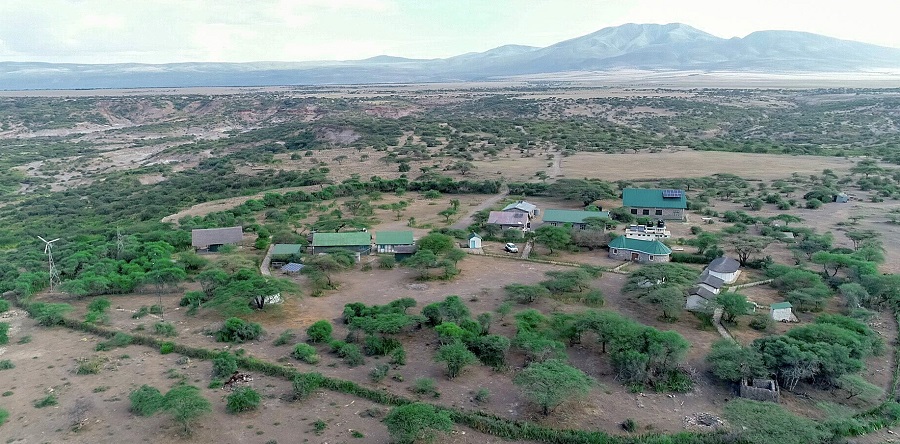
The Maasai people are an integral part of Ngorongoro’s identity, and engaging with their culture offers a deeper connection to the land. Visitors can explore traditional Maasai bomas, learn about their ancient customs, and witness colorful dances and ceremonies. Many tours include cultural storytelling, bead-making demonstrations, and local food tastings. These experiences provide insight into the Maasai’s harmonious coexistence with wildlife. In 2026–2027, community-led tourism projects continue to empower local people while giving travelers authentic and respectful interactions. A cultural visit in Ngorongoro goes beyond sightseeing — it becomes a journey of understanding and appreciation.
Ngorongoro Crater Tours and Safaris
A Ngorongoro Crater safari is one of Africa’s greatest wildlife experiences. The crater, often called the “Eighth Wonder of the World,” shelters over 25,000 animals in a breathtaking natural amphitheater. Safari drives reveal lions stalking zebras, elephants grazing by the lakes, and rhinos hidden among the reeds. Knowledgeable guides explain the area’s ecology and conservation history, making each moment educational and thrilling. In 2026–2027, eco-luxury lodges and electric safari vehicles enhance sustainability efforts. Whether it’s a full-day game drive or a sunrise tour, every safari in Ngorongoro promises unforgettable encounters with nature.
Ngorongoro Travel Guide 2026-2027
Planning a trip to Ngorongoro in 2026-2027 requires a balance of adventure, comfort, and timing. The best months to visit are from June to October for dry-season safaris or from December to March for the wildebeest calving season. Travelers can choose from budget-friendly camps to luxury crater-lodge stays. Make sure to book tours with certified guides to maximize your experience. Combining Ngorongoro with nearby destinations like the Serengeti or Lake Manyara enhances your Tanzanian itinerary. With improving roads and new eco-lodges in 2026-2027, exploring Ngorongoro has never been easier or more rewarding.
Ngorongoro Itinerary
A well-planned Ngorongoro itinerary helps you make the most of this spectacular region. Spend Day 1 exploring the crater floor and enjoying a full-day safari. Day 2 be dedicated to hiking Empakaai or Olmoti Crater for breathtaking views. On Day 3, visit Olduvai Gorge and the Laetoli Footprints to uncover early human history. If you have extra time, explore nearby Ndutu Plains or enjoy a cultural Maasai village tour. In 2026–2027, many travel operators offer customizable itineraries blending wildlife, history, and culture. Every day in Ngorongoro brings a new discovery worth cherishing.
Top Things to Do in Ngorongoro Crater 2026–2027
The Ngorongoro Crater offers countless activities for adventure seekers, nature lovers, and photographers. Start with a game drive through the crater floor to see the Big Five in their natural habitat. Visit the Lerai Forest for elephants, hippos, and rare black rhinos, or stop by Lake Magadi to admire flamingos shimmering in the sunlight. For a unique perspective, enjoy a picnic at the crater rim while watching herds roam below. In 2026–2027, eco-safaris and guided walking tours continue to grow in popularity, combining wildlife exploration with sustainable travel experiences. Every visit to Ngorongoro Crater feels like stepping into a living Eden.
Best Time to Visit Ngorongoro Tanzania 2025
The best time to visit Ngorongoro depends on what you want to experience. From June to October, the dry season offers perfect wildlife viewing as animals gather near water sources, making safaris easy and rewarding. The green season (November to May) transforms the landscape into a lush paradise, ideal for photography and birdwatching. Between December and March, the Ndutu Plains come alive with the wildebeest calving season — a must-see event for nature lovers. In 2025, improved infrastructure and sustainable tourism programs make visiting any time of year enjoyable. Plan ahead to secure top lodges and avoid peak crowds.
Ngorongoro Safari and Cultural Tours
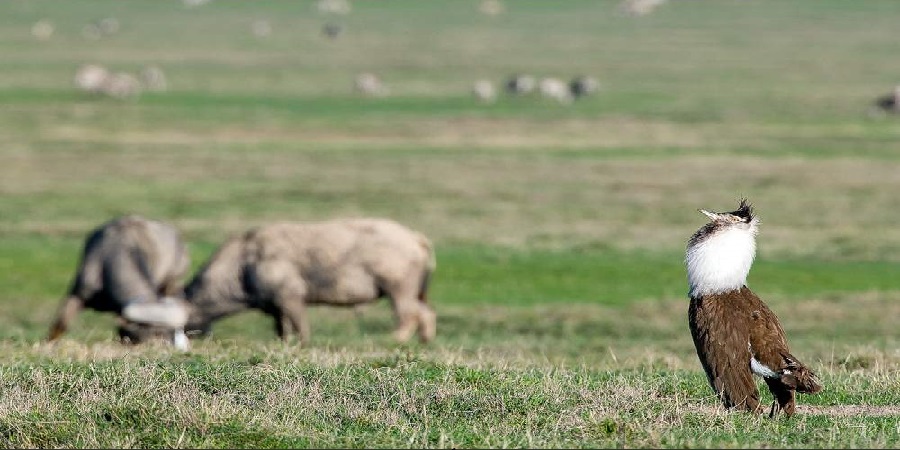
Combining a Ngorongoro safari with cultural tours offers the ultimate Tanzanian experience. Wildlife drives inside the crater showcase lions, elephants, and flamingos, while guided cultural visits immerse you in the traditions of the Maasai. Travelers can spend a morning on safari and an afternoon learning about Maasai crafts, songs, and ancestral stories. Many tour packages in 2026–2027 are community-based, ensuring your visit directly benefits local people. These experiences bridge nature and culture, giving visitors a deeper understanding of Ngorongoro’s harmony between humans and wildlife. It’s not just a trip it’s a connection to Tanzania’s living heritage.
Hiking Trails in Ngorongoro Conservation Area
The Ngorongoro Conservation Area offers some of East Africa’s most scenic hiking trails. Adventurers can trek down Empakaai Crater to its flamingo-filled lake, explore Olmoti Crater and its waterfalls, or climb Lolmalasin Mountain for breathtaking summit views. Each trail unveils diverse ecosystems, from forests to volcanic ridges, alive with birds and wildlife. Guided hikes ensure safety while sharing local knowledge about the land and culture. In 2026–2027, new eco-trails and camping routes are being introduced to promote responsible adventure tourism. Hiking in Ngorongoro provides more than exercise it’s an intimate journey through nature’s masterpiece.
Family-Friendly Safaris in Ngorongoro 2026
Families visiting Ngorongoro in 2026 can look forward to safe, educational, and fun-filled safari experiences. Child-friendly lodges offer family suites, guided nature walks, and interactive learning sessions about African wildlife. The Ngorongoro Crater’s short distances and abundant animals make it ideal for young explorers. Parents can relax while expert guides lead family safaris tailored for comfort and curiosity. Activities like Maasai cultural visits and junior ranger programs engage children while fostering respect for nature. In 2026, more eco-lodges are focusing on family sustainability travel, ensuring everyone enjoys Tanzania’s wonders together. Ngorongoro truly welcomes adventurers of all ages.

Booking Form
OR


