
Experience the Great Wildebeest Migration in Serengeti, Tanzania
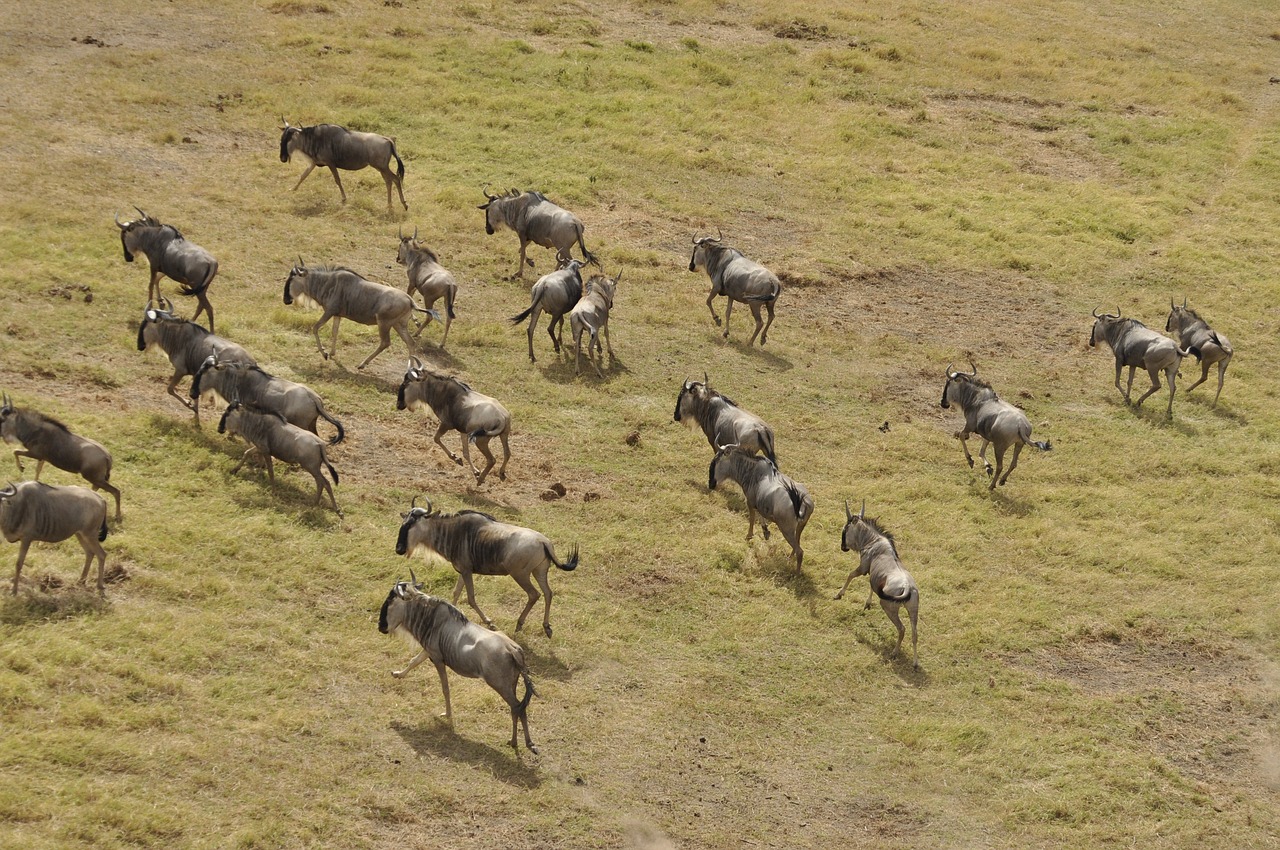
The Great Wildebeest Migration is one of Africa’s most remarkable wildlife events. Each year, enormous herds of wildebeest move across the Serengeti ecosystem, accompanied by zebras and gazelles as they search for fresh grass and water. The movement attracts predators and creates changing scenes across Tanzania’s open plains.
A Serengeti wildebeest migration safari is not a fixed show that happens at the same place every day. The herds respond to rainfall, grazing and seasonal conditions, so the experience changes through the year. One trip may focus on the southern plains during calving season; another may explore the western corridor or northern Serengeti when herds are moving toward river areas.
Prehemy Tours helps travelers plan a route around their travel dates, preferred accommodation and budget. For the best fit, share your dates early and ask which Serengeti region is most suitable for that period.
Quick planning tip
Choose the region before choosing the lodge. The right base can reduce long drives and give you more time for game viewing. River crossings and specific sightings are never guaranteed because wildlife moves naturally.
Why the Serengeti Wildebeest Migration Is So Special
The migration is a continuous ecological journey rather than a single event. Wildebeest and zebras travel between grazing areas as the rains change, while lions, cheetahs, hyenas, leopards and crocodiles take advantage of opportunities created by the moving herds. Even when dramatic river crossings are not happening, the Serengeti can offer excellent wildlife viewing and expansive landscapes.
- Huge moving herds: See wildebeest and zebras spread across plains, valleys and seasonal grazing areas.
- Predator encounters: Look for lions, cheetahs, hyenas and other predators that live in the ecosystem.
- Changing landscapes: Experience golden dry-season grasslands, green plains after rain and wide horizons.
- Photography opportunities: Early mornings and late afternoons often provide soft light for wildlife and landscape photography.
- More than migration: Resident wildlife can make a Serengeti safari rewarding throughout the year.
Best Time to See the Serengeti Migration in 2026 and 2027
The best time depends on what you most want to experience. The dates below are general seasonal guidance, not a promise of a particular sighting. Rainfall patterns vary from year to year, and the herds may move earlier or later than expected.
January to March: Calving season in the south
During the green season, many wildebeest gather around the southern Serengeti and the Ndutu area, where nutritious grass supports the birth of calves. This period can be excellent for observing newborn animals and predator activity. It is a strong option for travelers interested in the life cycle of the migration rather than river crossings.
April to June: Green plains and movement toward the west
As seasonal conditions change, herds often begin moving north and west. The western corridor and Grumeti area may become important viewing regions. April and May can bring heavier rain, so expect changing road conditions and plan flexible travel time. June can be a useful month to explore the transition toward the dry season.
July to October: Northern Serengeti and possible river crossings
Many travelers target the northern Serengeti during this period because herds may gather near the Mara River. Crossings can be dramatic, but they depend on the animals’ movement and conditions at the river. The herds do not cross on a set schedule, and spending several days in the region can improve flexibility without guaranteeing a crossing.
November to December: Return toward greener southern areas
Short rains often encourage herds to move back toward the eastern and southern plains. Movement varies, but this period can offer beautiful green landscapes, fewer visitors in some areas and good general wildlife viewing. December is also a popular holiday travel period, so accommodation should be planned ahead.
Serengeti Migration Calendar: Where to Consider Each Month
| Travel months | Possible focus area | What you may experience |
|---|---|---|
| January–March | Southern Serengeti and Ndutu | Calving season, green plains and predator activity |
| April–May | Southern, central and western areas | Seasonal movement, lush scenery and fewer crowds in some places |
| June | Western corridor and central Serengeti | Herds moving north or west; changing seasonal conditions |
| July–October | Northern Serengeti | Potential Mara River activity and large herds in the north |
| November–December | Eastern and southern Serengeti | Return movement toward greener grazing areas |
Important: This calendar is a planning guide only. The best location for your dates should be confirmed close to travel, and no safari company can ethically guarantee a river crossing or exact herd position.
How Many Days Do You Need for a Migration Safari?
Your ideal safari length depends on your arrival point, travel budget, accommodation style and the migration stage you want to follow. Longer stays allow more time for game drives and reduce the pressure to cover too much ground in one day.
| Duration | Best suited for | Planning notes |
|---|---|---|
| 3–4 days | Travelers with limited time | Focus on one main Serengeti area and allow for road transfers. |
| 5–6 days | A balanced migration safari | More time for game drives and, depending on the route, another northern-circuit destination. |
| 7–10 days | Wildlife enthusiasts and photographers | More flexibility to explore different areas and spend extra time where herds are reported. |
For itinerary ideas, compare our 6 Days Serengeti Migration Safari, browse Tanzania safari packages, or ask us to prepare a private itinerary for your dates.
What to Expect on a Serengeti Migration Safari
Game drives with an experienced guide
Most migration safaris use a 4x4 safari vehicle with a pop-up roof for viewing and photography. Your driver-guide reads tracks, checks wildlife reports where available and adjusts the day’s route to local conditions. Wildlife sightings remain unpredictable, so patience is part of the adventure.
Accommodation options for different budgets
Depending on the route and season, you may choose public campsites, comfortable tented camps, mid-range lodges or luxury camps. During popular migration periods, camps close to sought-after viewing areas can book out early. The most expensive camp is not automatically the best choice: location, transfer time and the length of your stay also matter.
More wildlife than wildebeest
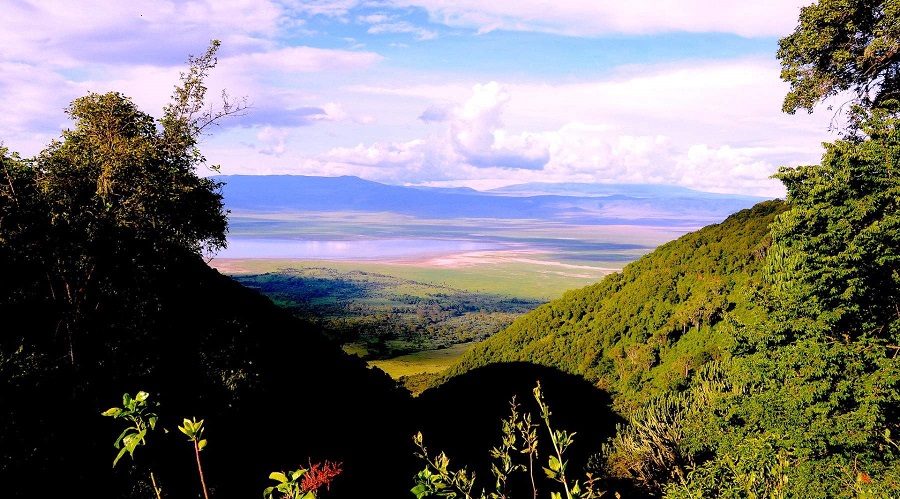
The Serengeti is also known for lions, elephants, giraffes, buffalo, hyenas, cheetahs, leopards, birds and many smaller species. If you would like to see a wider range of habitats, ask about combining the Serengeti with Ngorongoro Crater or Tarangire National Park, depending on the total number of days available.
How to Plan Your Great Migration Safari
- Choose your travel window: Tell your tour planner your exact arrival and departure dates, not just the month.
- Decide what matters most: Calving season, northern herds, potential river crossings, photography, comfort or value may lead to different routes.
- Allow enough time: Avoid scheduling every transfer tightly. A flexible itinerary makes it easier to enjoy sightings and changing conditions.
- Compare location and accommodation: Ask how far your camp is from the likely viewing area and whether park fees, meals and game drives are included.
- Book early for popular periods: July to October and holiday dates can be busy, particularly at camps in high-demand locations.
- Pack for changing conditions: Bring neutral-coloured clothing, a warm layer for early drives, sun protection, binoculars, camera equipment and any personal medication.
- Travel responsibly: Follow your guide’s instructions, keep a respectful distance from wildlife and never ask a driver to block animals or leave permitted roads.
Before confirming, request a written itinerary with the route, accommodation names or categories, park fees, meal plan, transfers, exclusions, cancellation terms and payment schedule clearly stated.
How Much Does a Serengeti Migration Safari Cost?
There is no single price for every migration safari. Cost depends on the number of travelers, trip duration, season, accommodation, transport method, park fees and whether you choose a private or shared trip. Northern Serengeti camps during high-demand months may cost more because of location and seasonal demand.
To compare quotations fairly, check whether they include park and conservation fees, accommodation, meals, a private or shared 4x4 vehicle, professional guide services, drinking water and airport transfers. International flights, visas, travel insurance, tips, alcoholic drinks and optional activities are often separate unless the quotation says otherwise.
Contact Prehemy Tours on WhatsApp with your dates, group size and preferred comfort level for a tailored quotation.
Frequently Asked Questions About the Serengeti Migration
When is the best time to see the Great Wildebeest Migration?
The best time depends on the experience you want. January to March is commonly associated with calving in the south, while July to October can be a good period to plan around the northern Serengeti. Herd locations vary with rainfall and grazing conditions.
Can I see the migration in 2026 or 2027?
Yes. The migration is an annual movement, but the location and timing of herds change. Share your exact dates with your tour planner so the itinerary can focus on the most suitable region for that season.
Are Mara River crossings guaranteed?
No. Crossings depend on herd movements, weather and conditions at the river. Spending more time in the northern Serengeti can offer more flexibility, but no guide or operator can guarantee that a crossing will happen during your visit.
Is a migration safari suitable for families?
It can be suitable for families when the route, driving hours, accommodation and children’s ages are considered. Ask for an itinerary with appropriate transfer times and accommodation facilities before booking.
What should I bring?
Pack lightweight neutral-coloured clothes, a warm layer for early mornings, comfortable shoes, a hat, sunscreen, insect repellent, binoculars, camera equipment and personal medication. Your final packing list should reflect the season and accommodation type.
What is normally included in a safari package?
Packages commonly include a safari vehicle and guide, park fees, accommodation, meals specified in the itinerary and game drives. Inclusions vary, so confirm transfers, flights, drinks, tips, insurance and optional activities in writing.
Why Choose Prehemy Tours?
Choose a local Tanzania tour team that helps you plan your journey with clear communication, practical advice and personal support.
- Local Tanzania knowledge: Get guidance from a team familiar with Tanzania’s destinations, travel experiences and local culture.
- Tailor-made itineraries: Discuss your interests, travel dates, group size and budget to plan an experience that suits you.
- Safari, trekking and beach holidays: Plan wildlife safaris, Mount Kilimanjaro climbs, cultural experiences and Zanzibar stays with one team.
- Clear trip-planning support: Ask questions about routes, trip duration, inclusions and preparation before making your decision.
- Personal communication: Contact us by WhatsApp or email to discuss your plans and receive help with your enquiry.
- Experiences shaped around you: We help you compare options and build a journey around the experiences that matter most to you.
Tell us what you would like to experience in Tanzania, and our team will help you explore suitable options.
Plan Your Tanzania Trip
Tell us your dates, group size and interests. We will help you discuss a suitable itinerary.