
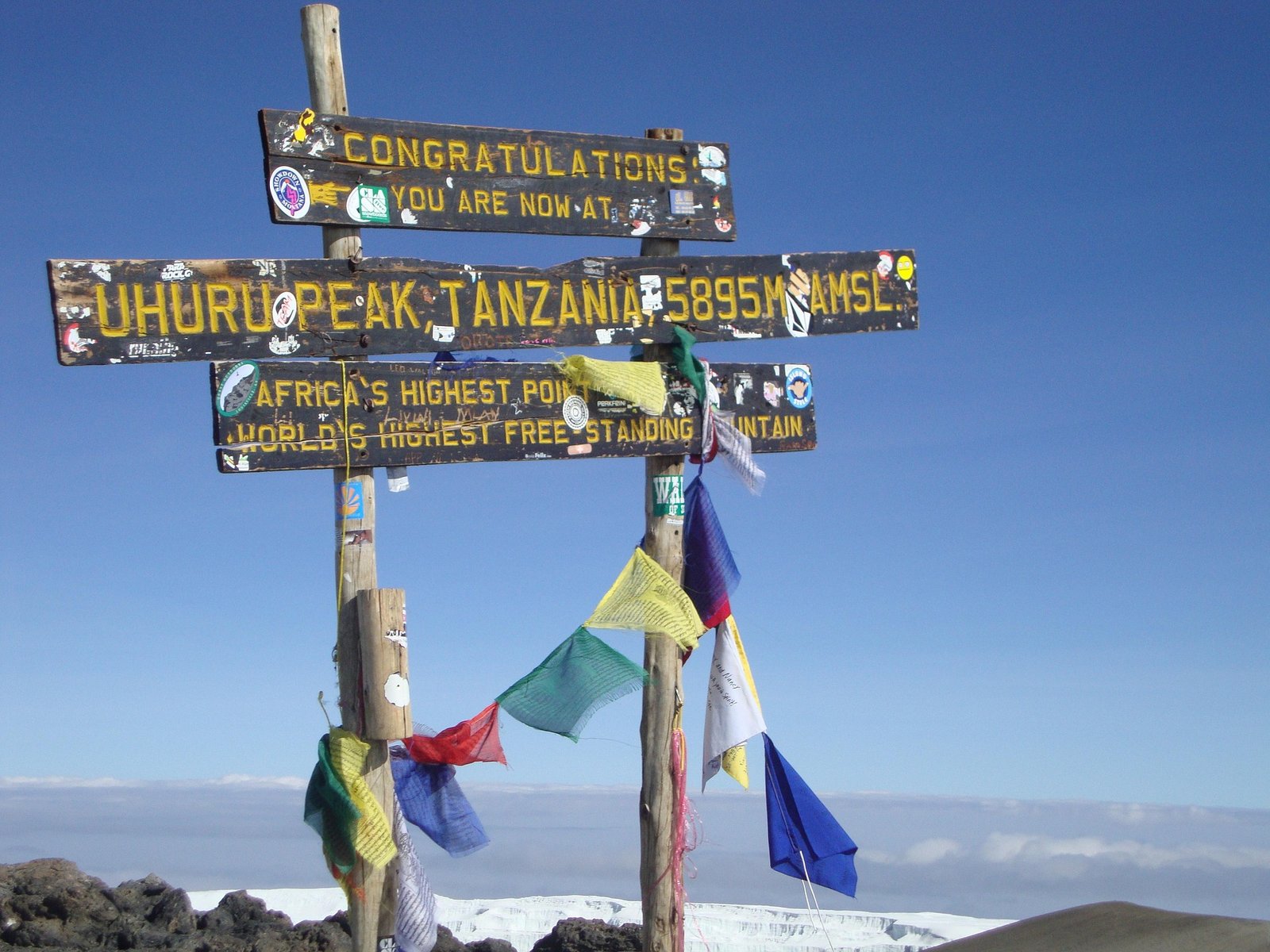
Mount Kilimanjaro is one of the world's most famous trekking destinations and Africa's highest mountain. Located in northern Tanzania, Kilimanjaro attracts travelers from around the world who want to experience high-altitude trekking, spectacular landscapes and the achievement of reaching Uhuru Peak. This complete Kilimanjaro climbing guide explains the main routes, climbing duration, costs, preparation, altitude, weather, packing list and important tips for planning your climb in 2026 or 2027.
What Is Mount Kilimanjaro?
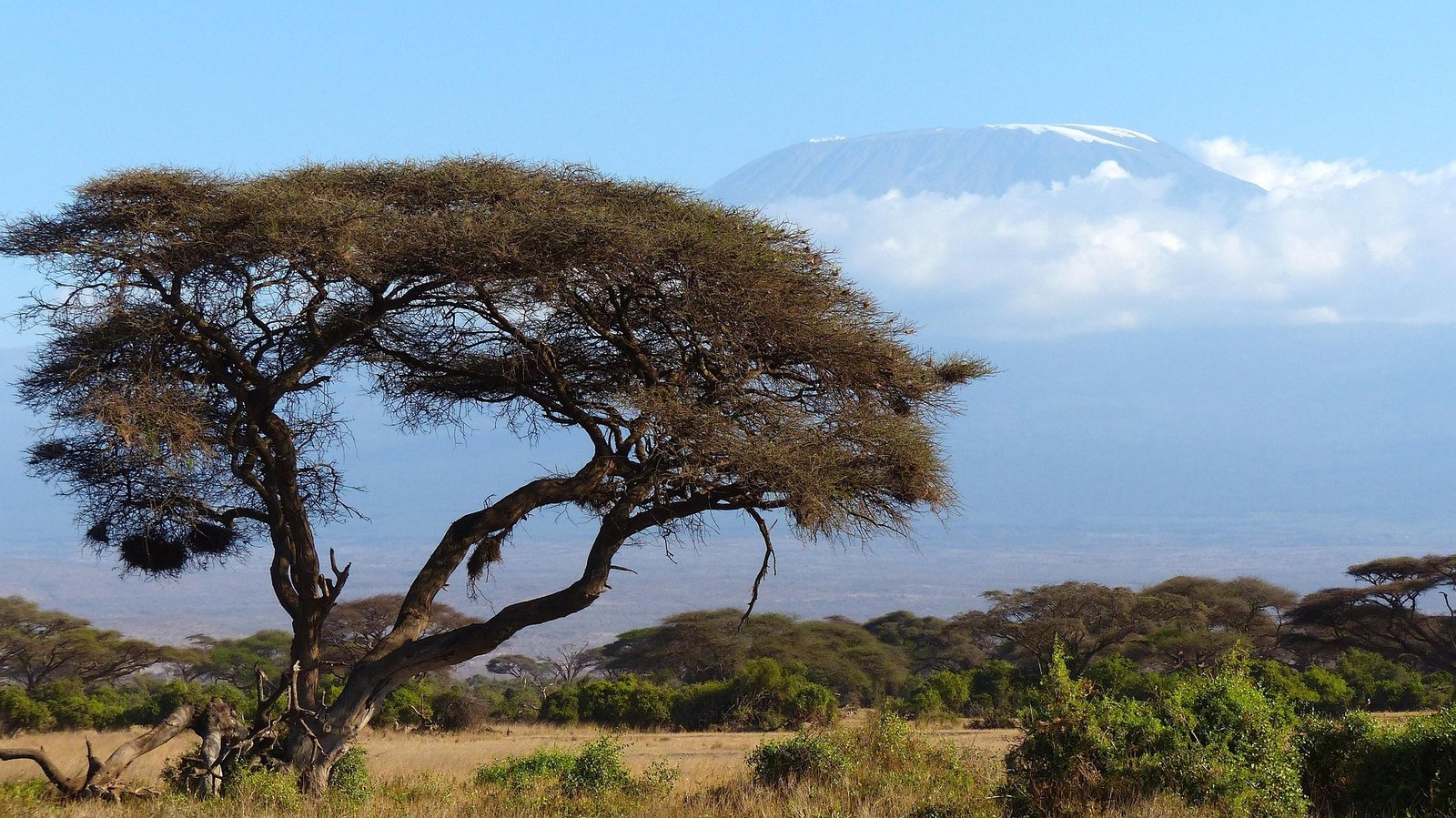
Mount Kilimanjaro is a free-standing volcanic mountain located in northern Tanzania near the town of Moshi. It consists of three major volcanic cones known as Kibo, Mawenzi and Shira.
The highest point is Uhuru Peak on Kibo. At approximately 5,895 metres above sea level, the summit is the highest point in Africa.
Unlike many high mountains around the world, Kilimanjaro does not normally require technical climbing equipment such as ropes or technical climbing skills on the standard trekking routes. The major challenges are endurance, altitude and changing weather conditions.
Why Climb Mount Kilimanjaro?
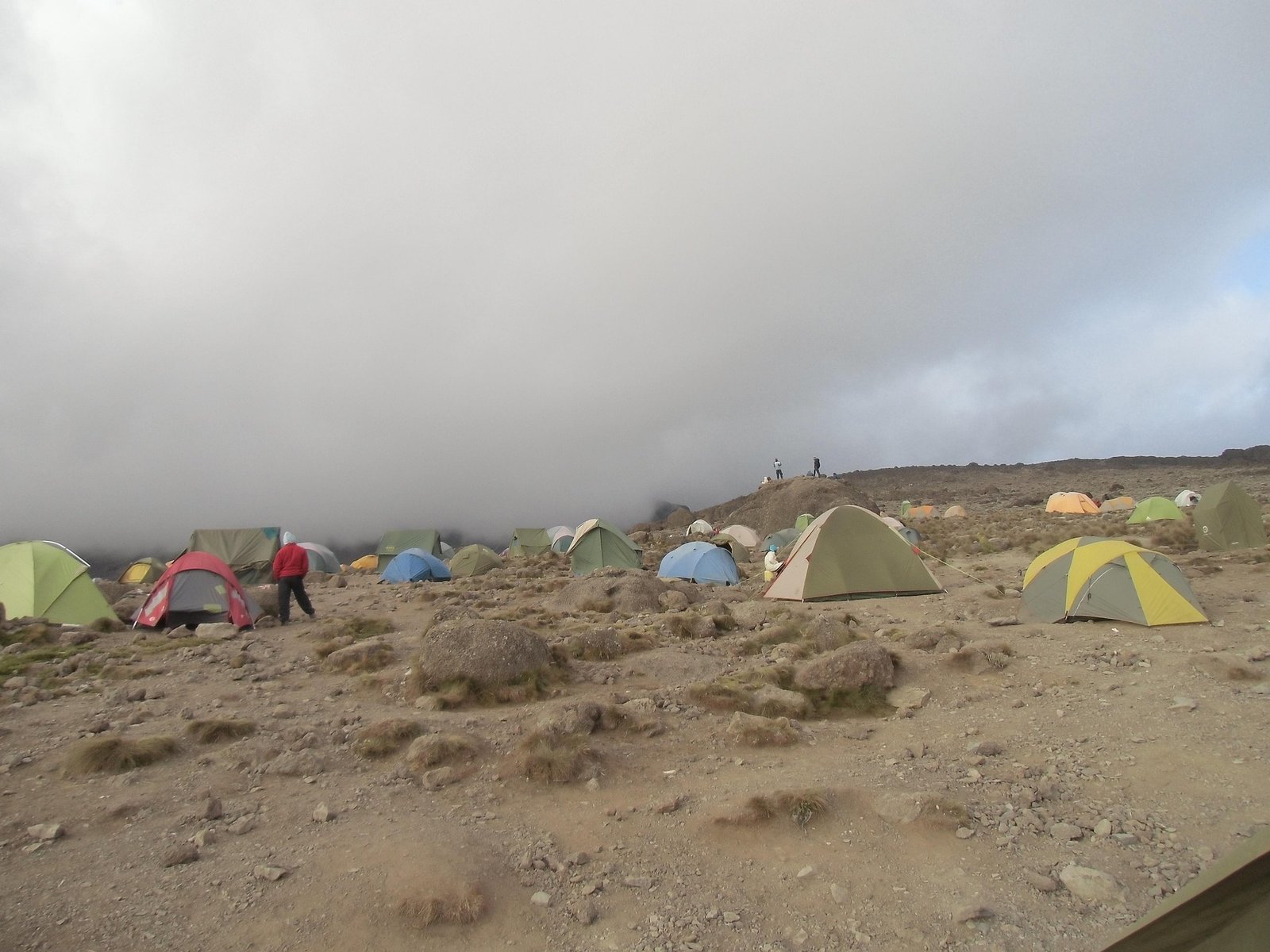
Kilimanjaro offers a unique trekking experience because the mountain passes through several ecological zones during the climb.
- Experience Africa's highest mountain.
- Reach Uhuru Peak at approximately 5,895 metres.
- Walk through rainforest, moorland and alpine environments.
- Experience dramatic sunrise views from high altitude.
- Combine your mountain climb with a Tanzania safari or Zanzibar holiday.
Kilimanjaro Climbing Routes
Choosing the right route is one of the most important decisions when planning your Kilimanjaro climb. The major routes include Lemosho, Machame, Marangu, Rongai, Northern Circuit and Umbwe.
Lemosho Route
The Lemosho Route is popular because of its scenic landscapes, gradual approach and longer acclimatization opportunities.
It is commonly planned over approximately 7 or 8 days.
Explore the 7-Day Lemosho RouteMachame Route
Machame is one of the best-known Kilimanjaro routes. It is often chosen by trekkers looking for scenic landscapes and a more adventurous trekking experience.
Marangu Route
Marangu is sometimes called the Coca-Cola Route. It is known for hut accommodation rather than camping along the entire route.
Rongai Route
Rongai approaches Kilimanjaro from the northern side of the mountain near the Tanzania-Kenya border. It provides a different perspective of Kilimanjaro.
Northern Circuit
The Northern Circuit is one of the longer Kilimanjaro itineraries and provides extensive time for acclimatization.
Umbwe Route
Umbwe is known for its steep and demanding approach. It is generally considered more suitable for experienced trekkers.
Lemosho Route: A Popular Choice for Scenic Trekking
The Lemosho Route is frequently selected by international trekkers because it offers a scenic approach and a longer itinerary compared with some shorter routes.
A longer itinerary can provide additional time for acclimatization, which is an important consideration when climbing a high-altitude mountain.
If you are considering Lemosho, you can also explore our detailed climbing itinerary:
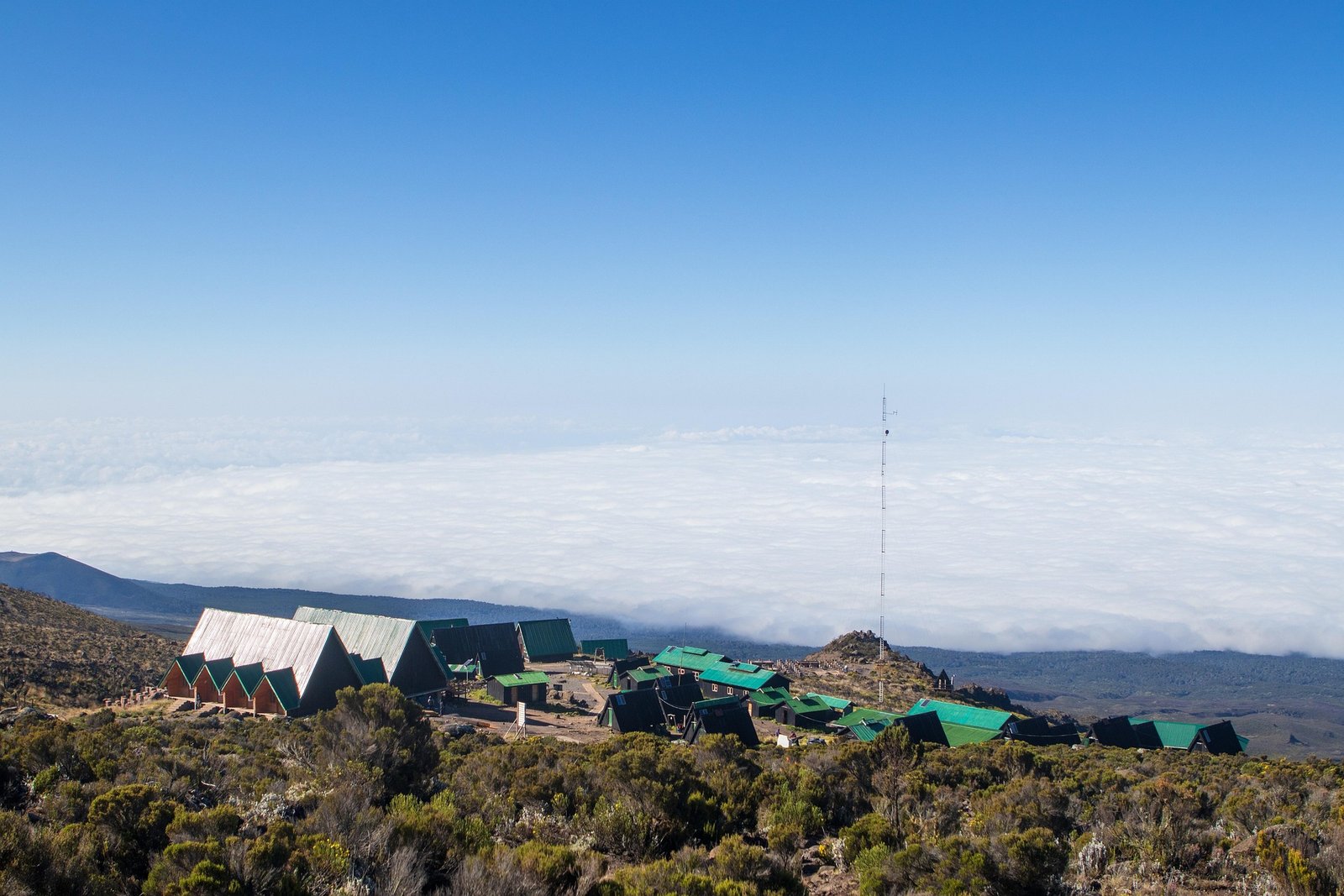
How Many Days Does It Take to Climb Kilimanjaro?
A Kilimanjaro climb commonly takes between five and nine days depending on the route and itinerary.
When choosing an itinerary, it is important to consider more than just the number of days. Longer itineraries can provide additional time for gradual acclimatization and recovery between trekking stages.
When comparing Kilimanjaro packages, look at the complete itinerary rather than choosing only by price or number of days.
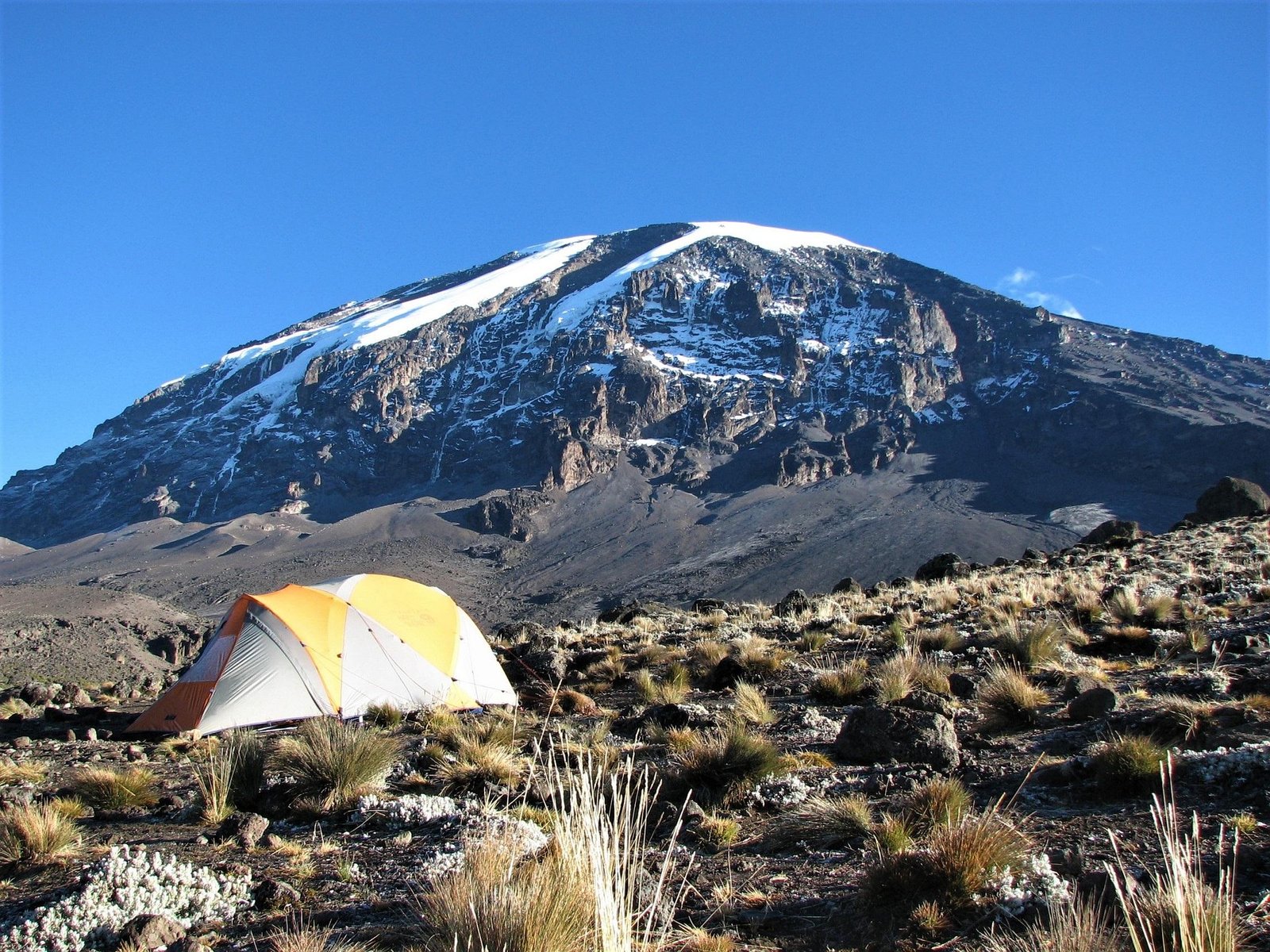
Best Time to Climb Kilimanjaro
Kilimanjaro can be climbed throughout the year. However, many trekkers prefer periods with generally drier weather.
January to February
These months are often attractive for climbers looking for relatively dry conditions and good visibility.
June to October
This period is another popular climbing season and coincides with generally drier conditions in northern Tanzania.
November to December
Short rains can occur during this period. Conditions can vary, so trekkers should be prepared for changing mountain weather.
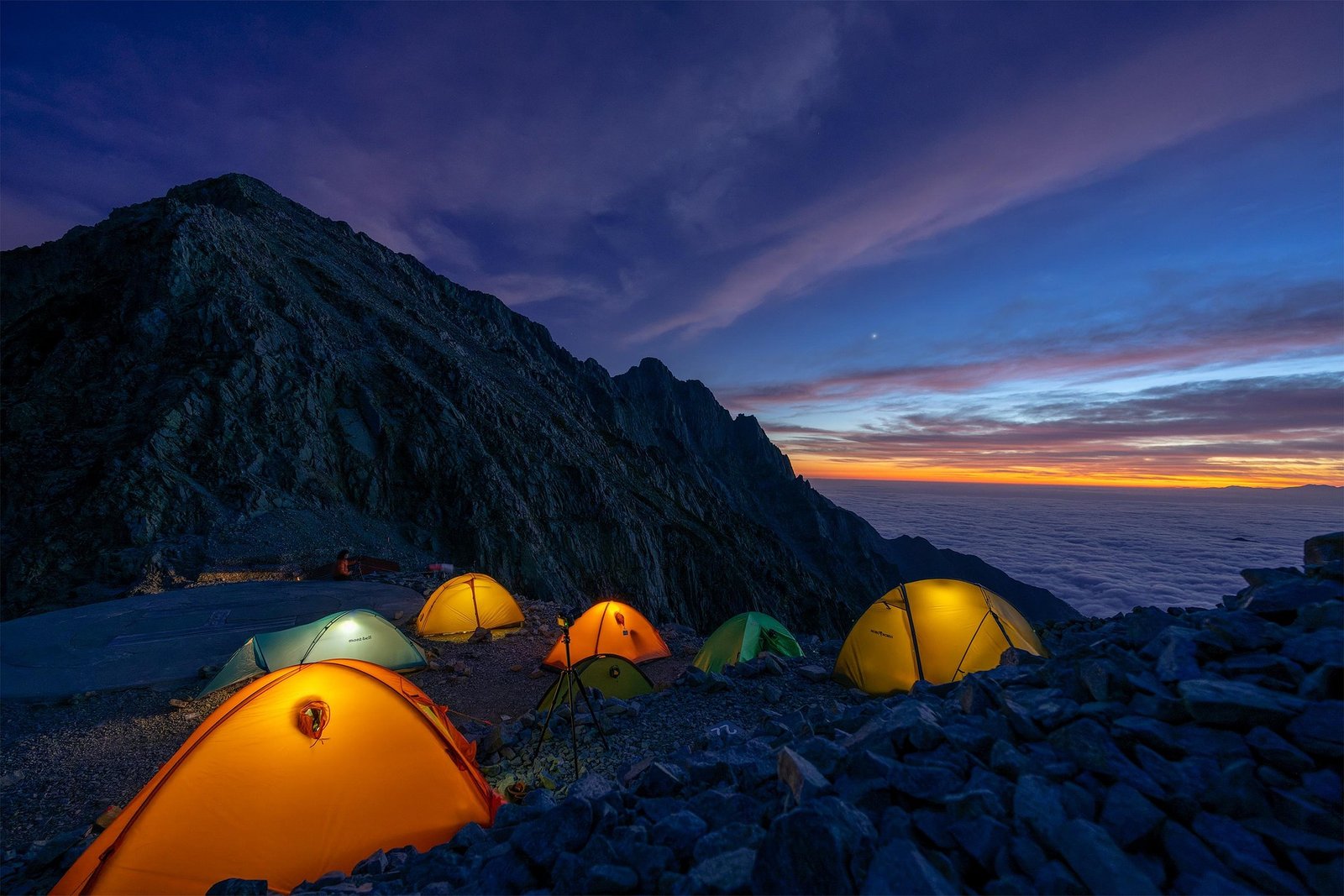
Kilimanjaro Altitude and Acclimatization
Altitude is one of the most important factors to understand before climbing Kilimanjaro. The summit is approximately 5,895 metres above sea level, meaning the air contains significantly less available oxygen than at sea level.
Good acclimatization planning is therefore important. Climbers should maintain a steady pace and follow the guidance of their professional mountain crew.
If you experience symptoms of altitude illness, immediately inform your guide. Your safety should always take priority over reaching the summit.
What to Pack for Kilimanjaro
Temperatures can change dramatically as you move from the lower slopes to the summit zone. Proper clothing and equipment are therefore essential.
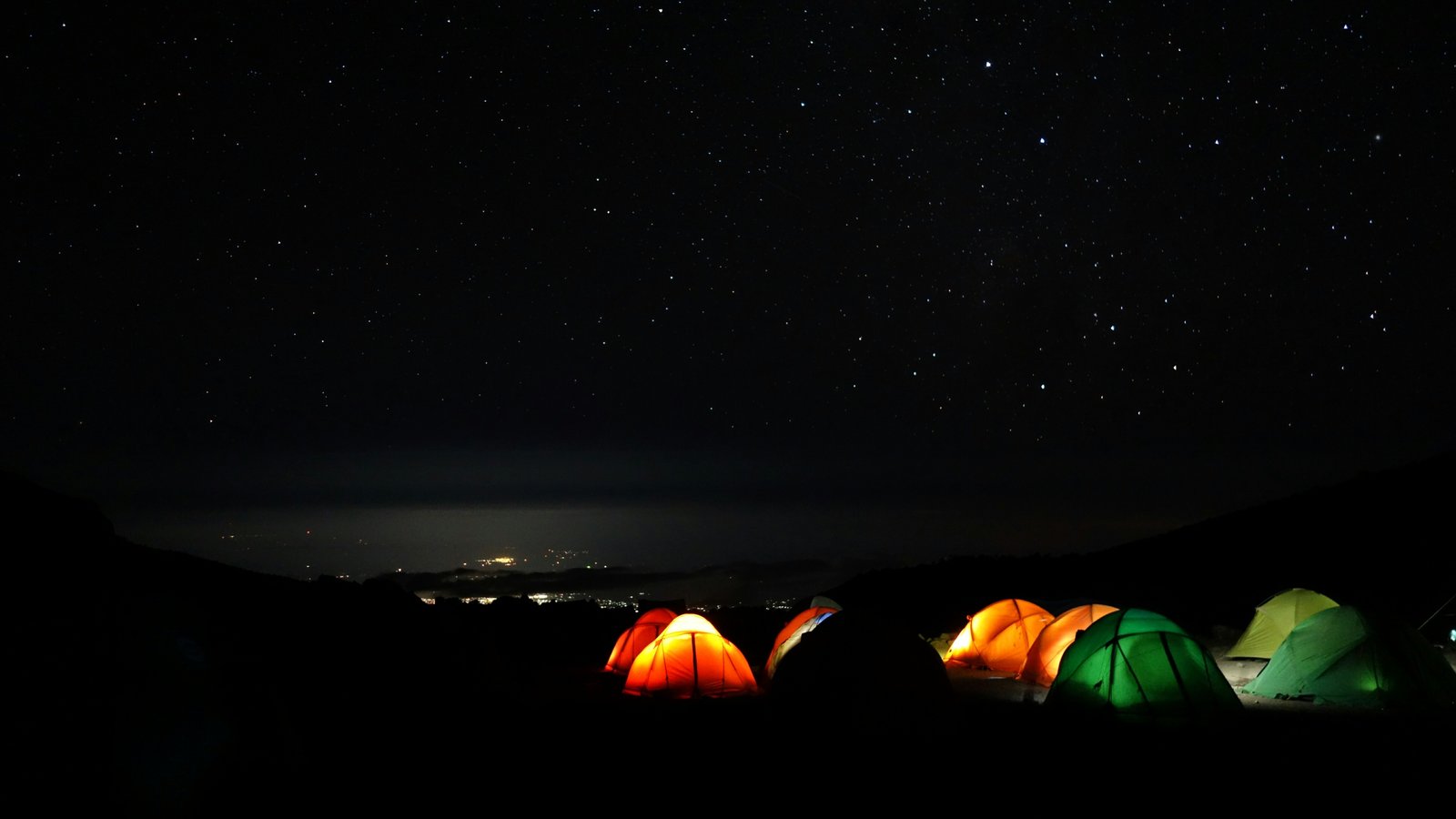
Kilimanjaro Climbing Cost
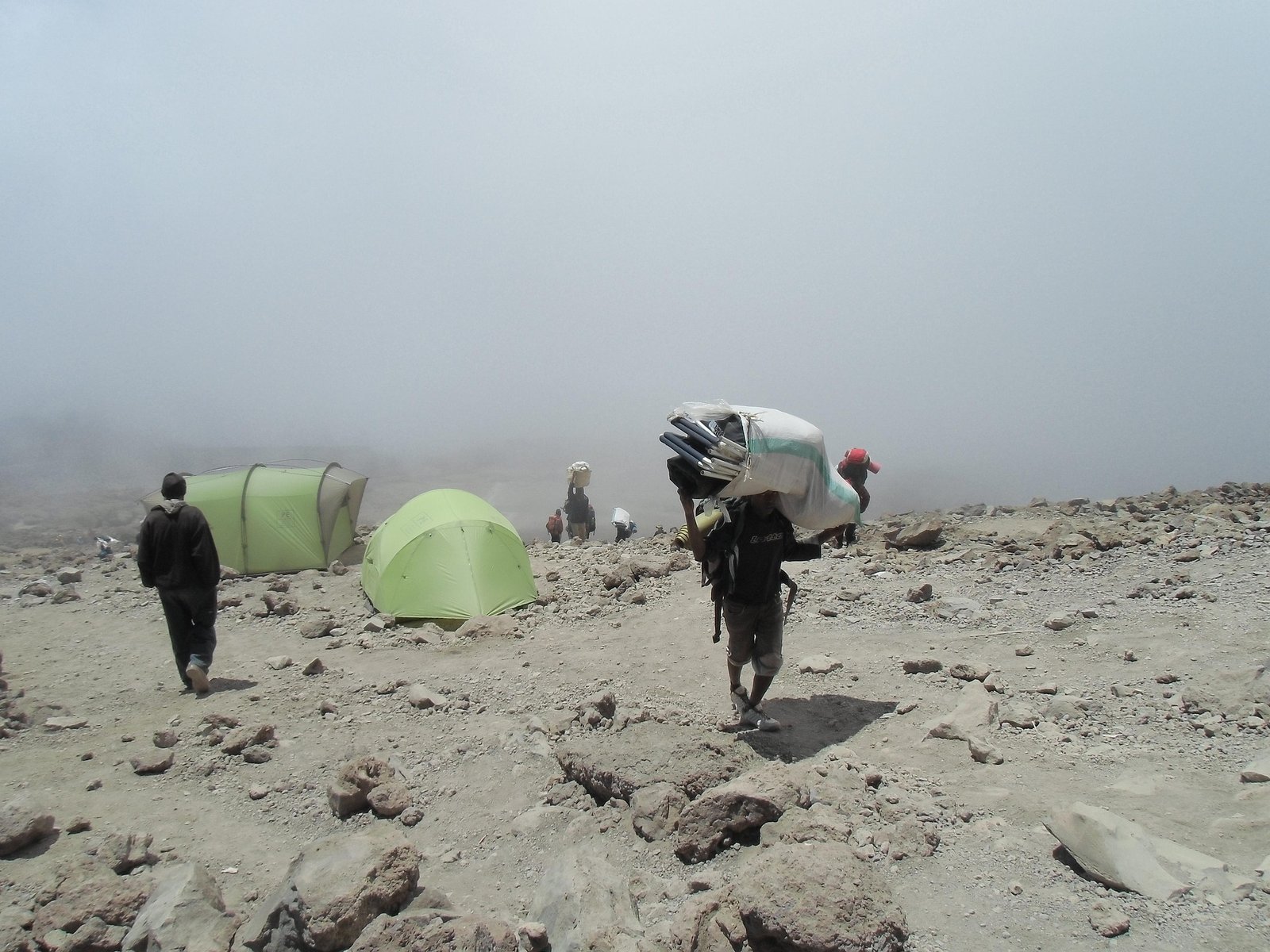
The cost of climbing Kilimanjaro depends on several factors including the route, number of days, group size, accommodation, park fees, crew requirements and services included in the package.
A professional Kilimanjaro package may include some or all of the following:
- Mountain park fees
- Professional mountain guides
- Porters
- Cook and mountain meals
- Camping equipment
- Airport transfers
- Accommodation before and after the climb
Always confirm exactly what is included before booking a Kilimanjaro climbing package.
Can Beginners Climb Kilimanjaro?
Yes. Many first-time mountain trekkers successfully climb Kilimanjaro.
However, being a beginner does not mean the climb should be underestimated. The mountain involves long trekking days, altitude changes, cold temperatures and demanding summit night conditions.
Good preparation should include regular walking or hiking, cardiovascular exercise, strength training and practice with the hiking shoes and backpack you intend to use.
How to Prepare for Kilimanjaro
1. Improve Your Endurance
Regular walking, hiking, jogging or other cardiovascular activities can help prepare your body for long trekking days.
2. Train With Hiking Gear
Before traveling to Tanzania, use your hiking boots, backpack and clothing during training so you can identify discomfort before the actual climb.
3. Prepare Mentally
Summit night can be physically and mentally demanding. A positive attitude, patience and steady pacing can be useful during the final ascent.
4. Follow Your Guide
Professional mountain guides provide important information about pacing, weather, route conditions and altitude.
Getting to Kilimanjaro
Most international travelers arriving for a Kilimanjaro climb use Kilimanjaro International Airport (JRO).
The town of Moshi is one of the main bases for Kilimanjaro climbing trips and provides access to several mountain routes.
Many travelers also combine their mountain adventure with a Tanzania safari in destinations such as Serengeti, Ngorongoro and Tarangire, followed by a beach holiday in Zanzibar.
Kilimanjaro Climbing and Tanzania Safari Combination
One of the advantages of visiting northern Tanzania is the opportunity to combine a Kilimanjaro climb with a wildlife safari.
A typical Tanzania adventure could include a Kilimanjaro trek followed by a safari in Serengeti National Park, Ngorongoro Conservation Area and Tarangire National Park.
Travelers with additional time can continue to Zanzibar for beaches, marine activities and cultural experiences.
Explore Our Kilimanjaro Climbing Packages
If you are ready to start planning your mountain adventure, explore our Kilimanjaro climbing packages and detailed Lemosho itineraries.
Frequently Asked Questions About Kilimanjaro Climbing
How difficult is climbing Mount Kilimanjaro?
Kilimanjaro is physically demanding because of long trekking days, high altitude and changing weather. Standard routes generally do not require technical mountaineering skills.
How many days do you need to climb Kilimanjaro?
Most itineraries take approximately five to nine days, depending on the route and acclimatization plan.
What is the best route for climbing Kilimanjaro?
Popular routes include Lemosho, Machame, Marangu, Rongai and Northern Circuit. The most suitable route depends on your schedule, preferences and itinerary.
What is the best time to climb Kilimanjaro?
Kilimanjaro can be climbed year-round. Many travelers prefer relatively dry periods such as January to February and June to October.
Can a beginner climb Mount Kilimanjaro?
Yes. Beginners can climb Kilimanjaro with suitable preparation, professional guides and an itinerary that allows appropriate acclimatization.
How high is Mount Kilimanjaro?
Mount Kilimanjaro reaches approximately 5,895 metres above sea level at Uhuru Peak.
Ready to Climb Mount Kilimanjaro?
Plan your Kilimanjaro adventure with Prehemy Tours. Tell us your preferred travel dates, group size and preferred route and our team can help you plan your Tanzania mountain adventure.