
How Can You Climb Mount Kilimanjaro for Less?
The most affordable way to climb Mount Kilimanjaro is usually to join a scheduled group departure, compare complete quotations from licensed local operators and choose an itinerary that suits your ability and schedule. Starting your trip in Moshi can make logistics convenient because the town is a common base for Kilimanjaro climbs.
However, a low advertised price does not automatically mean a good deal. Kilimanjaro is a high-altitude expedition that requires park permits, trained guides, food, equipment and a support crew. The goal is to reduce avoidable expenses—not to remove essential services, shorten acclimatization unsafely or accept unclear promises.
Prehemy Tours publishes different climbing routes and price ranges on its website. For current options, review our Kilimanjaro climbing packages and ask for a written quotation based on your dates, group size and preferred route. Prices can change, and an advertised starting price may not apply to every departure or travel date.
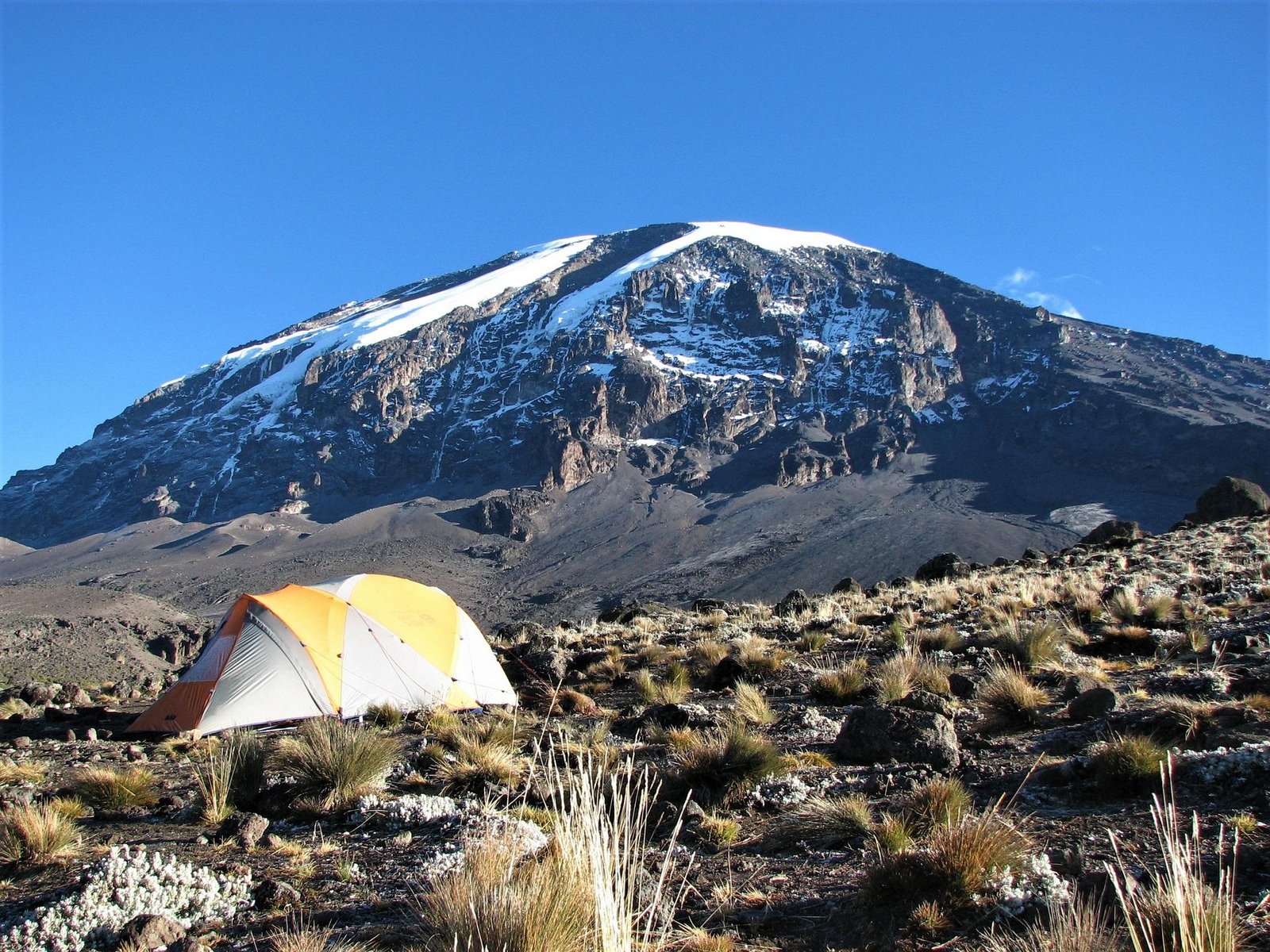
1. The Best Ways to Save Money on a Kilimanjaro Climb
Join a scheduled group climb
A group departure is often the first option to investigate if you are travelling alone or with one other person. Depending on the operator and departure, shared transport, logistics and crew arrangements can be spread across several climbers. Ask whether the departure is confirmed, how many people are expected and whether the quoted rate changes if the group size changes.
Do not assume every group departure is automatically cheaper. Compare the number of days, route, accommodation, food, safety provisions and included transfers—not only the headline amount.
Book a suitable itinerary rather than adding unnecessary extras
Plan your arrival and departure dates carefully. Unnecessary private transfers, last-minute hotel upgrades and extra nights caused by poor coordination can increase the overall trip budget. Ask your operator which airport transfer and pre-climb accommodation options are available, and compare the total package cost.
Do not cut acclimatization days simply to make the climb cheaper. A rushed itinerary may increase altitude-related risks and can reduce your chance of reaching the summit. Choose a reasonable route and schedule with advice from an experienced, licensed operator.
Travel with a flexible date window
If your schedule allows, ask about more than one possible departure date. Availability and seasonal demand may affect accommodation and transport costs. Confirm the weather expectations for your chosen period, and avoid booking non-refundable flights until the climb details and dates are agreed.
Use equipment you already own—where appropriate
Good-quality hiking boots, warm base layers, a headlamp and a properly fitted daypack can reduce rental needs. Make sure your equipment is suitable for cold, wind and rain at altitude. If you rent sleeping bags, trekking poles or insulated jackets locally, request a list of items, sizes, condition and rental charges in advance.
Combine logistics efficiently
Arriving in Tanzania with enough time to rest, check your equipment and attend the climb briefing can prevent expensive last-minute arrangements. If you plan to add a safari or Zanzibar holiday, compare a combined itinerary with separate bookings, but only choose the option that fits your available time and budget.
2. Choose a Route Based on the Full Cost, Not Just the Starting Price
Route prices vary because climbs take different numbers of days and use different accommodation and logistical arrangements. The Marangu Route uses mountain huts, while routes such as Machame, Lemosho, Rongai and Umbwe generally use designated camps. Longer itineraries usually require additional park days, meals and crew support.
| Route | Typical duration | Budget consideration | What to compare |
|---|---|---|---|
| Marangu | 5–6 days | May have a lower starting price on shorter itineraries | Hut accommodation, number of days and acclimatization schedule |
| Machame | 6–7 days | Compare six- and seven-day itineraries separately | Camping, crew support and daily route plan |
| Lemosho | 7–8 days | Longer schedules may cost more but allow more time on the mountain | Route length, transfers and camp nights |
| Rongai | 6–7 days | Ask about transport to the northern trailhead | Transfers, itinerary and descent arrangements |
| Umbwe | Often 6–7 days | Do not choose it only because of a price difference | Steepness, experience, acclimatization and operator advice |
For published route options and current advertised prices, see the Prehemy Tours climbing packages and Kilimanjaro trekking prices guide. Treat listed amounts as reference prices until a current quotation confirms the exact itinerary and inclusions.
The cheapest route on paper may not be the best value for your needs. Fitness, previous trekking experience, comfort with camping or huts, the time you can spend on the mountain and altitude acclimatization all matter. Ask the operator to explain the trade-offs before deciding.
3. Is Joining a Group Climb Cheaper Than a Private Climb?
Often, yes—but it depends on the operator, group size, route and date. A private climb offers more control over pace and arrangements, while a scheduled group departure may reduce the per-person cost of some shared logistics. Solo travellers should ask whether they can join an existing departure rather than paying for a private team.
Before paying a deposit, ask these questions:
- Is this a scheduled group departure or a private climb?
- How many climbers are already booked, and is the departure confirmed?
- Does the price apply to the exact number of people in my booking?
- What happens if the group size changes or the departure is cancelled?
- Are airport transfers, hotel nights and equipment rental included or optional?
Get the answers in writing so you can compare like-for-like packages.
4. Compare Complete Quotes From Licensed Operators
Ask at least two or three reputable operators for itemized quotations for the same route, number of days, travel dates and group size. A quote that looks cheaper may exclude services another operator has already included. A transparent quotation should make it possible to understand the total cost before you commit.
Check whether the quotation lists:
- The exact route and day-by-day itinerary.
- Park, camping or hut and rescue fees, as applicable.
- Licensed mountain guides, porters and cook or meal support.
- Meals, drinking-water arrangements and camping or hut accommodation.
- Transfers to and from the trailhead and descent gate.
- Pre- or post-climb hotel accommodation, if included.
- Taxes, payment schedule, cancellation terms and any additional charges.
Use the official Tanzania National Parks Kilimanjaro information and current tariff information to understand that park fees are regulated charges, not a cost that can simply be removed by choosing a cheaper operator.
5. What Should a Budget Kilimanjaro Package Include?
A responsible budget package should still provide the essentials needed for a guided mountain climb. Ask the operator to confirm the following in writing rather than relying on a short advert:
- Park and route fees: Clearly itemized fees relevant to your route and itinerary.
- Qualified mountain guides: An experienced, appropriately licensed guiding team.
- Support crew: Porters and cook support according to the agreed itinerary.
- Meals and accommodation: The meals, campsites or huts specified in the package.
- Safety and emergency planning: A clear explanation of equipment, monitoring and emergency procedures.
- Transfers: The transport included between the agreed meeting point, trailhead and descent point.
- Pre-climb briefing: Time to review the itinerary, gear and practical mountain instructions.
Inclusions differ between operators and routes. Confirm whether drinking water, sleeping bags, trekking poles, airport transfers, hotels and other items are included or available at an additional charge.
6. Extra Costs to Include in Your Budget
The advertised climb price is only one part of your total travel budget. Depending on your arrangements, additional expenses may include:
- International flights, visa fees and travel insurance that covers high-altitude trekking and emergency evacuation.
- Hotel accommodation before or after the climb.
- Airport transfers if not included in the package.
- Personal trekking gear or rental equipment.
- Tips for the mountain crew, according to your operator's guidance and your own budget.
- Snacks, personal toiletries, medicines and other personal items.
- Optional safari, cultural tour or Zanzibar extension.
Ask your operator to separate mandatory package costs from optional extras. This helps you calculate a realistic total rather than comparing only the advertised trek price.
7. Avoid Cheap Offers That Put Safety or Crew Welfare at Risk
There is a difference between an affordable, well-organized group climb and an offer that is suspiciously cheap. Park fees, transport, food, equipment and trained crew support all cost money. A quote far below other offers for the same route and duration needs a clear explanation.
Be cautious if a seller refuses to provide a written itinerary, cannot explain what fees are included, asks you to bypass park rules or gives vague answers about guides and emergency procedures. Do not attempt to climb independently to avoid guide costs; Kilimanjaro climbs must follow park regulations and be arranged through an appropriate licensed operator.
Ask how the operator supports its guides and porters, what safety procedures are used and how emergencies are handled. Saving money should never mean removing essential safety measures, neglecting the crew or choosing an itinerary that is unsuitable for acclimatization.
8. Why Start Your Kilimanjaro Climb From Moshi?
Moshi is a convenient base for many Kilimanjaro itineraries. Starting from or arranging your climb through Moshi can make it easier to meet your operator, attend a briefing, check equipment and coordinate transport to the relevant trailhead. The official park visitor information lists access to Kilimanjaro from the Moshi and Arusha area.
Booking in Moshi does not automatically guarantee the lowest price. Compare operator credentials, route plans, safety arrangements and full inclusions, then choose the package that provides clear value. Confirm the location and time of your briefing and whether the price includes transfers from your accommodation.
Prehemy Tours can help you compare route options and request a quote for your dates. Share your preferred month, number of climbers, number of days available and whether you would like a group departure or private climb.
Frequently Asked Questions About the Cheapest Kilimanjaro Climb
What is the cheapest way to climb Kilimanjaro from Moshi?
For many travellers, joining a scheduled group departure and comparing complete written quotations can reduce costs. Check all inclusions and never save money by removing essential guide services, park fees or safety arrangements.
Which Kilimanjaro route is usually cheaper?
Shorter Marangu itineraries may have lower starting prices, but the total depends on duration, season, group size and services. Compare the full itinerary and consider whether it provides an appropriate acclimatization schedule.
Can I climb Kilimanjaro without a guide?
No. Kilimanjaro climbs must follow park regulations and be arranged with a licensed operator and appropriate mountain guiding support. Do not attempt an independent climb to avoid costs.
Does a cheap Kilimanjaro package include park fees?
Not always. Ask for an itemized quotation that states park, camping or hut and rescue fees, guides, porters, meals, transfers, accommodation and all exclusions.
Is it cheaper to book a Kilimanjaro climb in Moshi?
Moshi is a practical base for meeting local operators and arranging logistics, but booking locally does not automatically make a climb cheaper. Compare licensed operators and the complete package before paying.
Can I save money by choosing fewer days on the mountain?
A shorter itinerary can reduce some costs, but do not choose a rushed schedule only because it is cheaper. Discuss fitness, route difficulty and acclimatization with an experienced operator before selecting the number of days.
What should I ask before paying a deposit?
Confirm the itinerary, group size, all included fees, extra costs, payment schedule, cancellation policy, operator credentials, crew support and safety arrangements in writing.